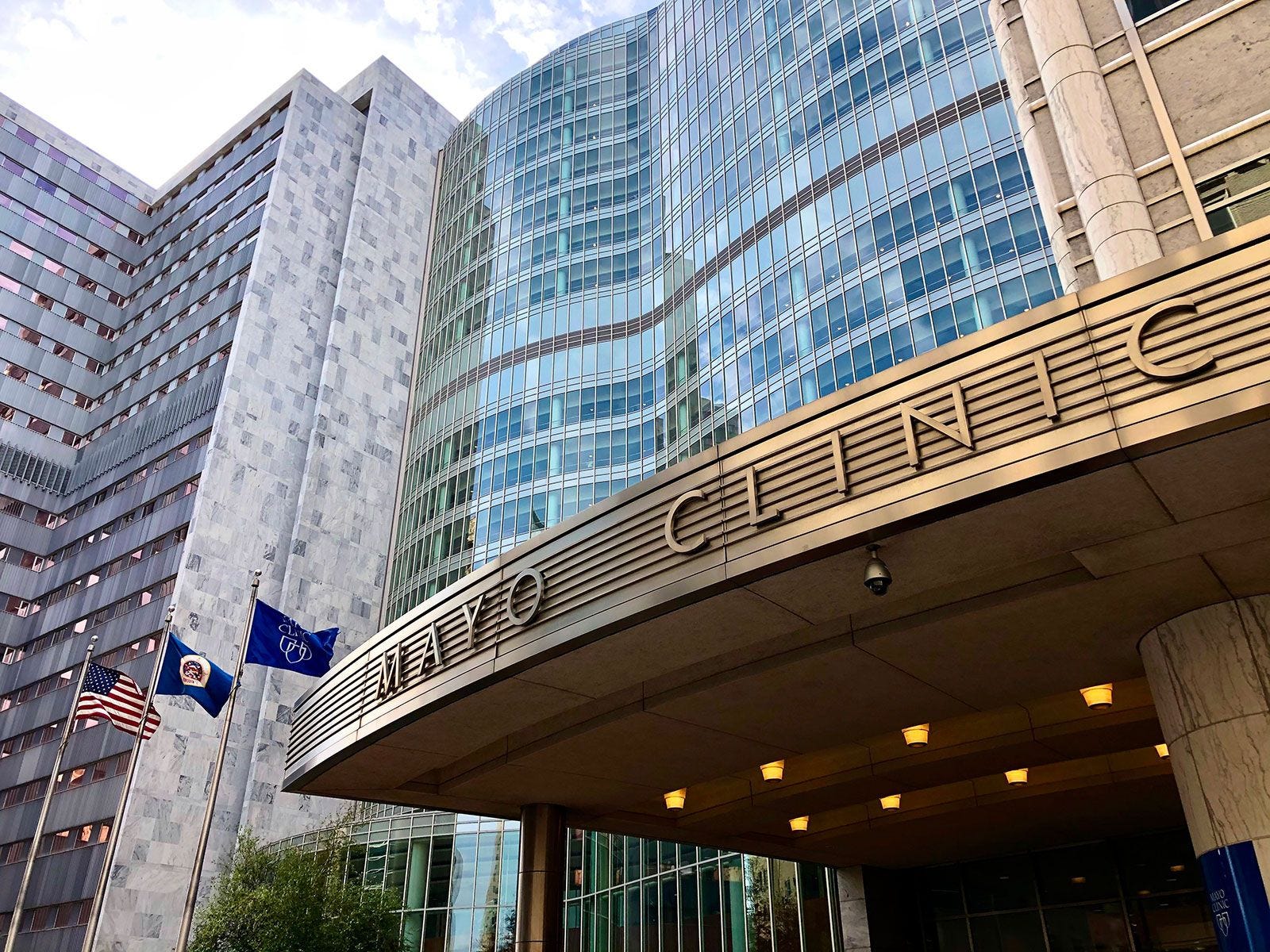
Born Sick in the USA
In this week’s newsletter
3 Episodes On: Medical Discovery
Channel Spotlight: Public Health
Scholarly Sources with Stephen Bezruchka, a former emergency physician and Associate Teaching Professor Emeritus at University of Washington.
The Disorder Podcast
This week we are focusing on health and medicine. Learn more about health research, public health policies, and the relationship between race, economic status, and health outcomes.
3 Episodes On: Medical Discovery
Tune in to our episode about Making Medical Progress: History of a Contested Idea. Vanessa Rampton investigates the politics of medical progress from ancient Greece to artificial intelligence and the tensions between individual and social goods.
Donna J. Drucker’s Fertility Technology introduces the five principal types of fertility technologies used in human reproduction—artificial insemination; ovulation timing; sperm, egg, and embryo freezing; in vitro fertilization; and IVF in uterine transplants—discussing the development, manufacture, dispersion, and use of each.
Listen to Julia Ross Cummiskey discuss her book, Virus Research in Twentieth-Century Uganda: Between Local and Global. Julia profiles the scientists at the Uganda Virus Research Institute (UVRI), a biomedical center founded in 1936. She tells the story of the UVRI and how the people who worked there transform our understanding of the nature of local and international expertise and the evolution of global health research over the course of the twentieth century.
Ninety years after the discovery of human influenza virus, Modern Flu: British Medical Science and the Viralisation of Influenza, 1890—1950 by Michael Bresalier, traces the history of this breakthrough and its implications for understanding and controlling influenza.
Channel Spotlight: Public Health
Listen to four recent interviews about public health to learn more about health policy, the healthcare system, and medical racism.
In The Mask: A History of Breathing Bad Air, Bruno J. Strasser and Thomas Schlich presents a history of masks protecting against bad air—in cities, factories, hospitals, and war trenches—exploring how our identities and beliefs shape the decision to wear a mask.
Check out Joseph L. Graves Jr.’s conversation about his book, Why Black People Die Sooner: What Medicine Gets Wrong about Race and How to Fix It where he examines the ways racism shapes health and disease. He demonstrates how the medical profession still fails to grasp basic facts about race, tracing how deep-rooted falsehoods have perpetuated the disparity between Black and white lifespans.
Tune in to Muhammad H. Zaman’s interview about Infected: How Power, Politics, and Privilege Use Science Against the World’s Most Vulnerable . He reveals the troubling history of how science and public health have been manipulated to serve the interests of power.
Listen to Nora Kenworthy discuss her book, Crowded Out: The True Costs of Crowdfunding Healthcare. She presents an eye-opening investigation into charitable crowdfunding for healthcare in the United States— and the consequences of allowing healthcare access to be decided by the digital crowd.
To listen to more great interviews with scholars of public health, subscribe to the NBN channel below!
Scholarly Sources with Stephen Bezruchka
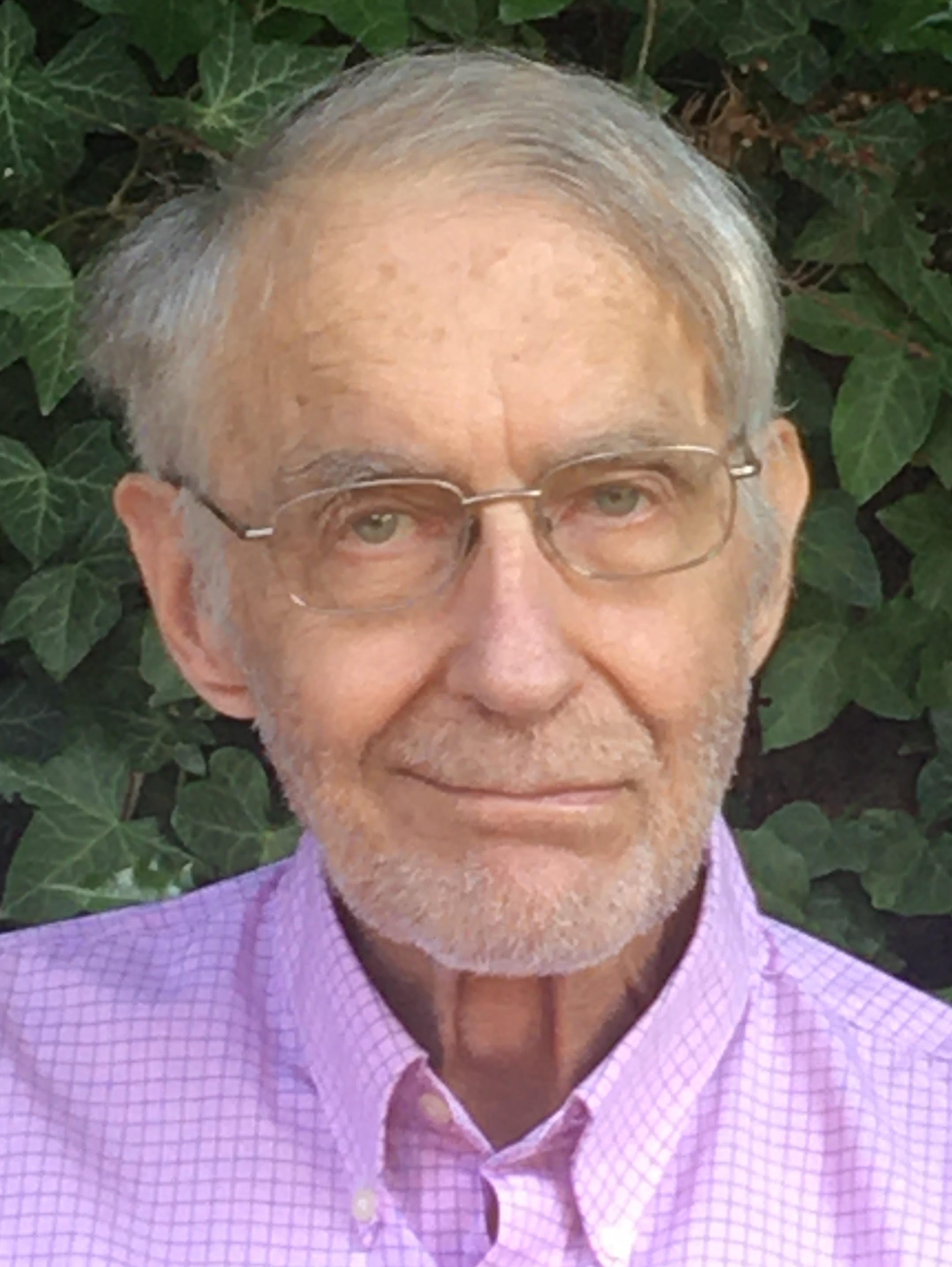
Stephen Bezruchka teaches in the School of Public Health at the University of Washington in Seattle. He worked as an emergency physician for 30 years and also set up a teaching hospital in a remote district in Nepal where he supervised the training of Nepali doctors. His current work is in making better known what produces health in a population and why the United States has worse health outcomes than some 50 other nations despite spending almost half of the world’s healthcare bill. His book Born Sick in the USA: Improving the Health of the Nation is out now!

Q: What are you reading right now?
A: The Pattern Seekers: How Autism Drives Human Invention by Simon Baron-Cohen.
Q: What is your favorite book or essay to assign/give to people and why?
A: The Spirit Level: Why Greater Equality Makes Societies Stronger by Richard Wilkinson and Kate Pickett. This book was first published in 2009, and I’ve used it as the book for my Health of Populations course for the last 15 years. I’ve also given it to many friends. It is an international best-seller, translated into some 30 languages, and enjoyable to read.
Q: Is there a book you read as a student that had a particularly profound impact on your trajectory as a scholar?
A: There are two as I am an old man. First, The Population Bomb by Paul R. Ehrlich. I read it soon after its publication and got me thinking beyond individuals and the choices they made.
The next one is Unhealthy Societies: The Afflictions of Inequality by Richard G Wilkinson. This book had a huge impact, comparable to Silent Spring, and changed my career trajectory.
Q: Which writer, alive or deceased, would you most like to meet and why?
A: Ivan Illich. His books profoundly influenced me. I listened to many of his talks, saw him in person once (1992), and came to rethink how the world works. If he were alive today I’d be eager to see what he thinks has happened to produce our conditions today.
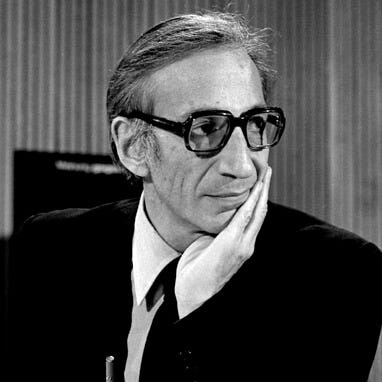
First, Medical Nemesis: The Expropriation of Health. Then some of the rest of his canon, such as Deschooling Society, Tools for Conviviality, “To Hell with Good Intentions: National Society for Internships and Experiential Education,” and Energy and Equity.
Q: What’s the best book you’ve read in the past year?
A: Technofeudalism: What Killed Capitalism by Yanis Varoufakis. His background as an academic, steeped in many cultures, a politician (Greek Finance Minister in 2015), and a critical thinker has me following his ideas to this day.
Q: Have you seen any films that left an impression on you recently?
A: Perfect Days is a 2023 drama film directed by Wim Wenders from a script written by Wenders and Takuma Takasaki. It depicts a middle-aged Japanese man who cleans toilets in Tokyo after abandoning a previous more impressive career. He finds the simple pleasures he missed before.

Q: What do you plan on reading next?
A: The Good Society: And How We Make It by Kate Pickett.
Q: Who should read your book Born Sick in the USA: Improving the Health of the Nation and why?
A: Anyone interested in doing something about the fact that none of us in the United States can claim anywhere near the best health in the world. The excess US deaths compared to the other rich nations are equivalent to two fully-loaded jumbo jets crashing every day killing everyone. The reasons for our poor health relate to not investing in early life (first thousand days after conception), and the huge income and wealth inequality that stresses us all out and kills big time. The benefits of improving American health will impact those yet unborn as well as children and grandchildren.
Q: Anything else you’d like to share?
A: I am continually amazed at how people in this country seem resistant to considering that their health is not very good and that whatever they do as individuals doesn’t matter that much. There is a huge industry providing advice on how to be healthy that totally misses the point. Americans are dead first, namely we die young, through no fault of our individual actions. This results from societal choices we have made to make the rich ever richer. While it is called the American Dream, it is a nightmare and you have to be asleep to experience it.
To create awareness in the future I’m enlisting younger folk to help with social media.
Listen to Stephen’s interview about his fascinating book Born Sick in the USA: Improving the Health of the Nation here, and subscribe to New Books in Medicine to stay up to date on the latest scholarship.
Disorder
Struggling to follow the news? Jason Pack and the team running Disorder have got you covered. They’re following everything from the Epstein investigations to the exploding war in the Middle East. Subscribe to their Substack and listen to the Disorder podcast.