
America and Beyond
Q: Which deceased writer would you most like to meet and why?
A: I’d grab dinner with Kurt Vonnegut for his combination of humanity, humor, and ability to cut through the insanity of our society. He could also be dark and cynical. It would not be a boring dinner.
-Thomas Zeitzoff
In this week’s newsletter
Mentioned in the New York Times
America and Beyond with Paul Starobin
Fast Five with Bruce Berglund
Scholarly Sources with Thomas Zeitzoff
Dialogues on Southeast Asia LSE - Saw Swee Hock Southeast Asia Centre
Mentioned in the New York Times
Today, Jennifer Schuessler mentioned New Books Network in an article about the 2026 Bancroft Prize-winners. Emilie Connolly’s Vested Interests: Trusteeship and Native Dispossession in the United States was one of two books selected. In January, host Miranda Melcher interviewed Emilie. Read the article and listen to Emilie’s interview.
America and Beyond
Paul Starobin publishes America and Beyond on Substack and hosts the companion podcast on the New Books Network. He's a former Moscow bureau chief of Business Week, a former contributing editor of The Atlantic, and author of four books. In his latest interview, he spoke with scholar Vali Nasr about Iranian nationalism in the context of the US-Israel-Iran war. Vali’s book, Iran’s Grand Strategy: A Political History, was named a Financial Times Best Politics Summer Book.

Fast Five: Bruce Berglund
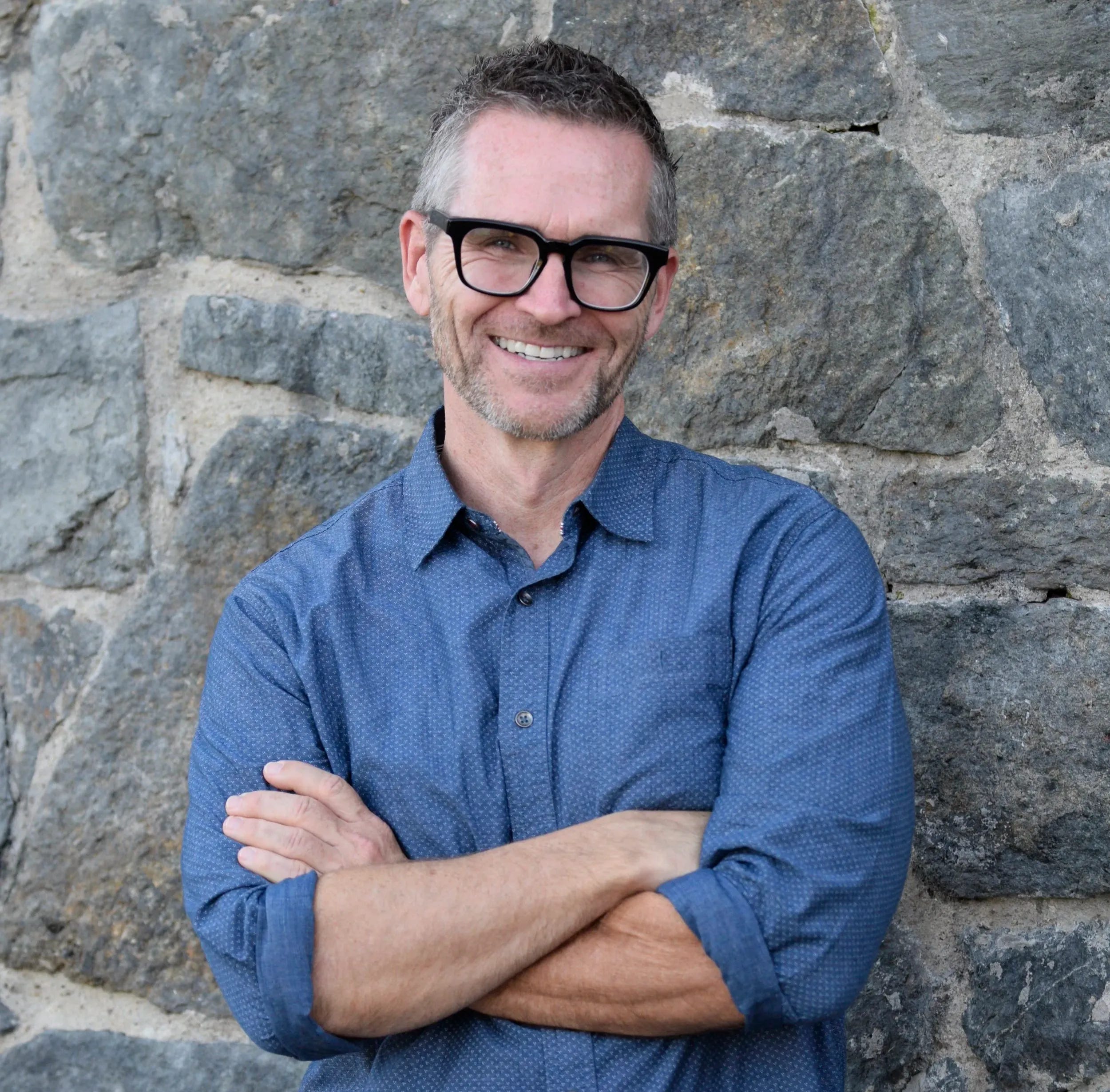
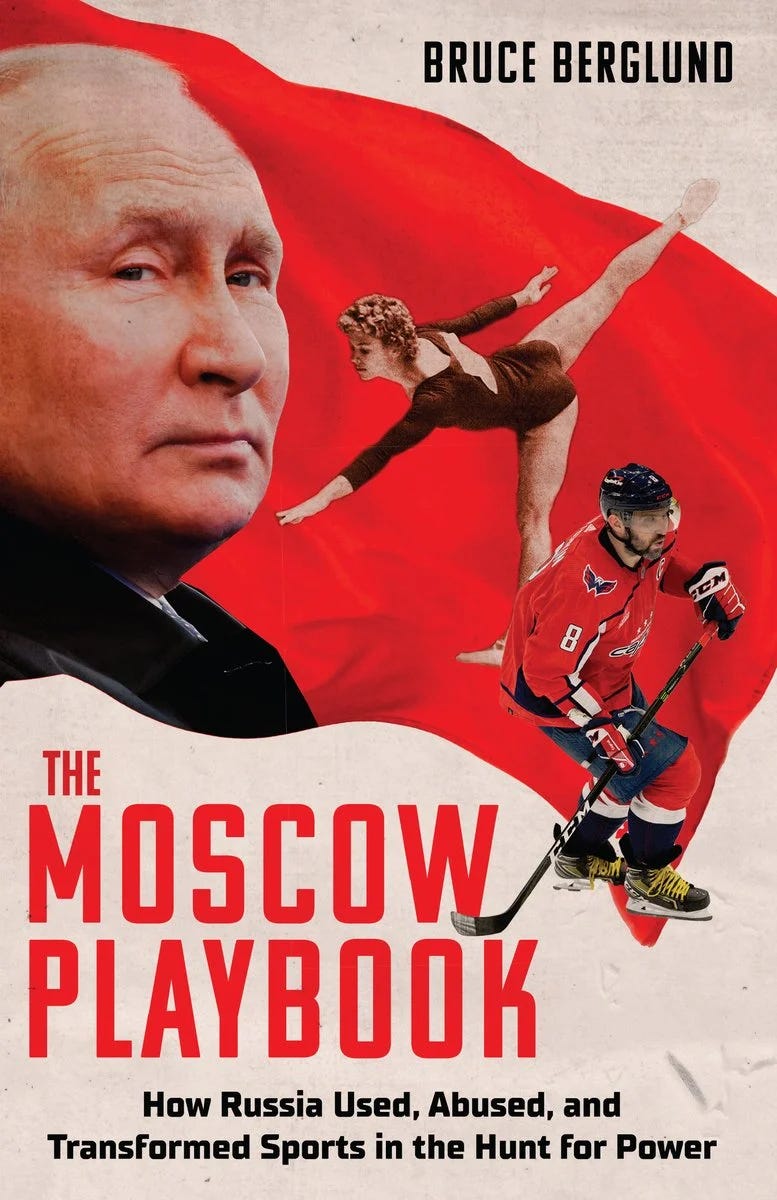
Bruce Berglund is a historian of Europe, Russia, and world sport. He is a three-time Fulbright scholar and award-winning teacher. His most recent book The Moscow Playbook: How Russia Used, Abused, and Transformed Sports in the Hunt for Gold is the first book to fully examine the intersection of Russian sports and geopolitical power, from the dominant Soviet teams of past Olympics to recent doping scandals and international sanctions.
Below, Bruce shares with us five of his favorite sports books:
King of the World: Muhammad Ali and the Rise of an American Hero by David Remnick - There have been a lot of books about Ali, and I’ve read many of them. Remnick’s book stands out as a poetic and moving portrait of the most important figure in sports history. The book’s conclusion, when Remnick sits alone with Ali, is as poignant a final scene as you will ever read in a sports book.
Soccer Empire: The World Cup and the Future of France by Laurent DuBois - One of the best books on the intersection of sport with identity and politics. It begins with DuBois himself in the streets of Paris after the French national team’s loss in the 2006 World Cup final, when Zinedine Zidane was sent off for head-butting an opposing player. DuBois then investigates, as a historian, why that moment stirred such widespread shock and anger.
Ballpark: Baseball in the American City by Paul Goldberger - Baseball books can fill an entire library. This one is a fascinating reflection on the game’s importance in American life by looking at the architectural history of urban ballparks.
Stolen Bases: Why American Girls Don’t Play Baseball by Jennifer Ring - Meanwhile, this is the most surprising baseball book you will read. The author watched her teenage daughter endure insult after insult on neighborhood baseball diamonds, leading to this investigation into why America’s pastime has been historically off-limits to girls.
The Game by Ken Dryden - Dryden was a history student, and he is the rare athlete who is able to step outside of the sport he plays and analyze its development and inner workings. One of the most honest accounts of life as a pro athlete you will ever find.

Ken Dryden deflects a shot during a game against the Pittsburgh Penguins on March 15, 1971. (Harry Cabluck/Associated Press)

Tune in to our interview with Bruce, and put his great book The Moscow Playbook: How Russia Used, Abused, and Transformed Sports in the Hunt for Gold on your To Be Read list!
Scholarly Sources with Thomas Zeitzoff
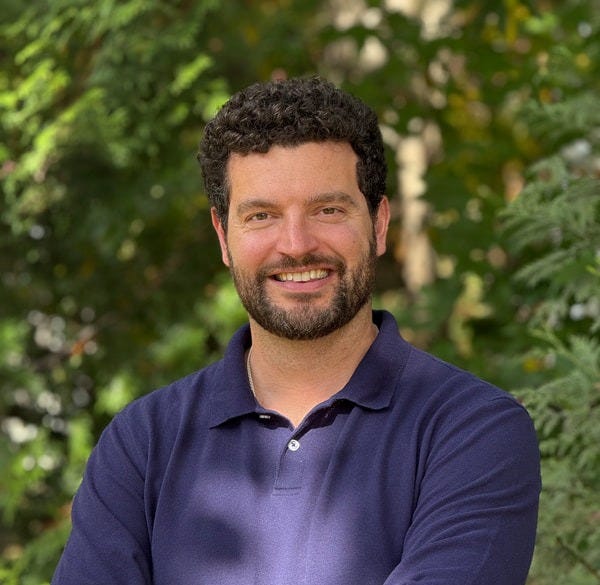
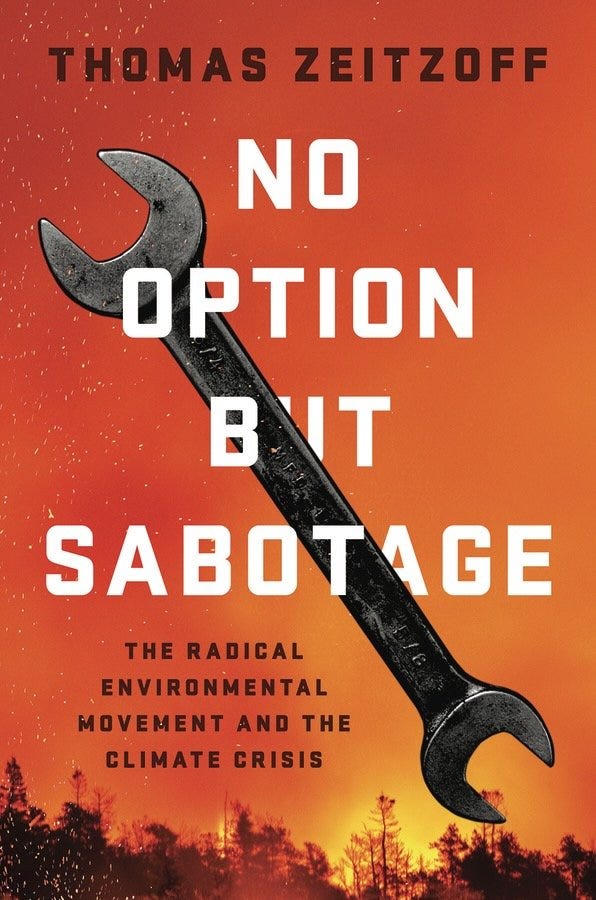
Thomas Zeitzoff is a Professor in the School of Public Affairs at American University. His research focuses on political violence and political psychology. He is particularly interested in the effects of social media and exposure to violence on political attitudes, why individuals fight, and how leaders mobilize supporters for conflict or peace. He recently published No Option But Sabotage: The Radical Environmental Movement and the Climate Crisis.
Q: What are you reading right now?
A: I’m currently reading two books:
Everything Must Go: The Stories We Tell About the End of the World by Dorian Lynskey
To Catch a Fascist: The Fight to Expose the Radical Right by Christopher Mathias
Q: What is your favorite book or essay to give to people and why?
A: Recently I’ve been recommending Mikel Jollet’s book Hollywood Park: A Memoir. It’s a beautifully written book about the effects of trauma, subcultures, and how our family history influence the way we see the world.
Q: Is there a book you read as a student that had a particularly profound impact on your trajectory in life?
A: I was a Latin American studies and Economics major as an undergrad. I remember reading the short story, “Espuma y nada más” (“Foam and nothing else”), in a Spanish literature class. It’s a short story by Colombian journalist Hernando Téllez. It captures the tension of a barber—who is sympathetic to local rebels—having to shave the face of a military captain who he knows has tortured these same rebels. The inner turmoil the barber felt, and the backdrop of small stories against the larger history of violence in Colombia, made me want to study and understand political violence.

Q: Which deceased writer would you most like to meet and why?
A: I’d grab dinner with Kurt Vonnegut for his combination of humanity, humor, and ability to cut through the insanity of our society. He could also be dark and cynical. It would not be a boring dinner.
Q: What’s the best book you’ve read in the past year?
A: More Everything Forever: AI Overlords, Space Empires, and Silicon Valley’s Crusade to Control the Fate of Humanity by Adam Becker
Q: Have you seen any films that left an impression on you recently?
A: I really enjoyed the movie Marty Supreme. It was exciting, tense, with a real sense of place. And the main character, Marty, was somehow equal parts loathsome, charming, and sympathetic. I also didn’t know table tennis could be so exciting.
Q: What do you plan on reading next?
A: Goliath’s Curse: The History and Future of Societal Collapse by Luke Kemp
Q: For your book, you interviewed many anonymous sources who demanded that you keep their identities hidden. What advice do you have for scholars interested in studying people who may be reticent to speak with researchers?
A: People are hesitant to talk to researchers for a variety of reasons, including concerns about repression (past or future), stigma, or past bad experiences with journalists or researchers. The first step is to understand both a source’s specific concerns and the broader context shaping them (for example, how the “Green Scare” affected radical environmentalists’ perceptions of surveillance and legal risks). From there, trust needs to be earned. Researchers should be transparent about what they’re doing, and how they’ll try to protect anonymity. In many cases you also need to be vetted—often through introductions from trusted people within a source’s community. So relationship-building is a core part of the research method.
Q: What are you working on next?
A: I’ve started writing a new book on the politics of the future. It looks at how activists and experts imagine the political future, and when future threats become concerns that must be addressed in the present. The book examines three future threats: 1) climate change, 2) AI, and 3) concerns about declining population.
Check out No Option But Sabotage: The Radical Environmental Movement and the Climate Crisis and listen to our NBN interview with Thomas!
Dialogues on Southeast Asia LSE - Saw Swee Hock Southeast Asia Centre
Dialogues on Southeast Asia is hosted by the Saw Swee Hock Southeast Asia Centre (SEAC), a cross-disciplinary, regionally-focused research center at the London School of Economics and Political Science (LSE). The podcast series is intended to spotlight the work of the Centre and scholars affiliated with it, events hosted by the Centre, and interviews with scholars and other researchers which the Centre deems especially worthy of spotlighting for a broad audience interested in the region.
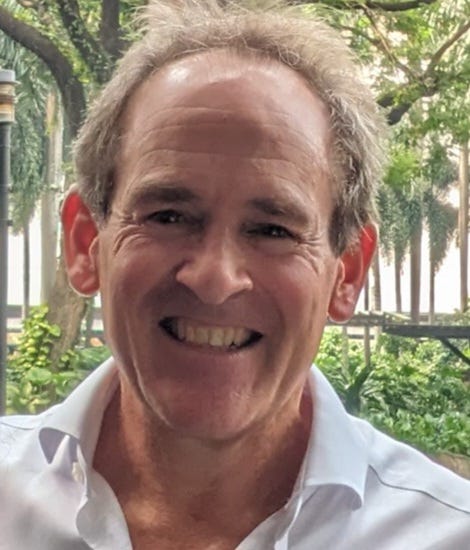
John T. Sidel is the Sir Patrick Gillam Professor of International and Comparative Politics and Director of the Saw Swee Hock Southeast Asia Centre (SEAC) at the London School of Economics and Political Science (LSE). He is the author several books on Southeast Asia, including Capital, Coercion, and Crime: Bossism in the Philippines (Stanford University Press, 1999), Riots, Pogroms, Jihad: Religious Violence in Indonesia (Cornell University Press, 2006), (with Jaime Faustino) Coalitions for Change in the Philippines (The Asia Foundation, 2020), and Republicanism, Communism, Islam: Cosmopolitan Origins of Revolution in Southeast Asia (Cornell University Press, 2021).
Q: First, can you tell us about Saw Swee Hock Southeast Asia Centre (SEAC)?
A: The Saw Swee Hock Southeast Asia Centre is the leading research center in the UK and Europe focused on Southeast Asia. Established thanks to a generous endowment by the late Singaporean scholar and businessman Professor Saw Swee Hock, the Centre draws on the expertise and active research of scholars and students working on Southeast Asia across diverse disciplines and departments at the London School of Economics and Political Science (LSE). The Centre’s activities and events reflect a diversity of research expertise and interests in Southeast Asia at the LSE as well as an effort to serve as a venue for the study of the region for scholars and students from across the UK, Europe, Southeast Asia, and beyond.
Q: How did you decide to start Dialogues on Southeast Asia?
A: The New Books Network already features some great podcasts on Southeast Asia, but we wanted to extend the Centre’s outreach beyond the audiences attending our weekly seminar series and other events. We began by interviewing LSE colleagues affiliated with the Centre about their research on Southeast Asia, to help spotlight their work. But then we developed an appetite for interviewing other scholars whose work is especially interesting. It’s a real treat to interview serious scholars – everyone we’ve interviewed is so eloquent, there’s hardly any editing needed.
Q: Can you share a bit more about the mission and goals of your podcast?
A: We hope that our podcast can complement NBN’s offerings with other strengths. Alongside our interest in promoting LSE and other UK-based scholars working on Southeast Asia, we hope to spotlight the work of new, up-and-coming scholars as well as old-timers whose perspectives on the field of Southeast Asian Studies may be of real interest to a wide range of listeners.
Q: What are the themes and issues that you hope to focus on with this podcast this year?
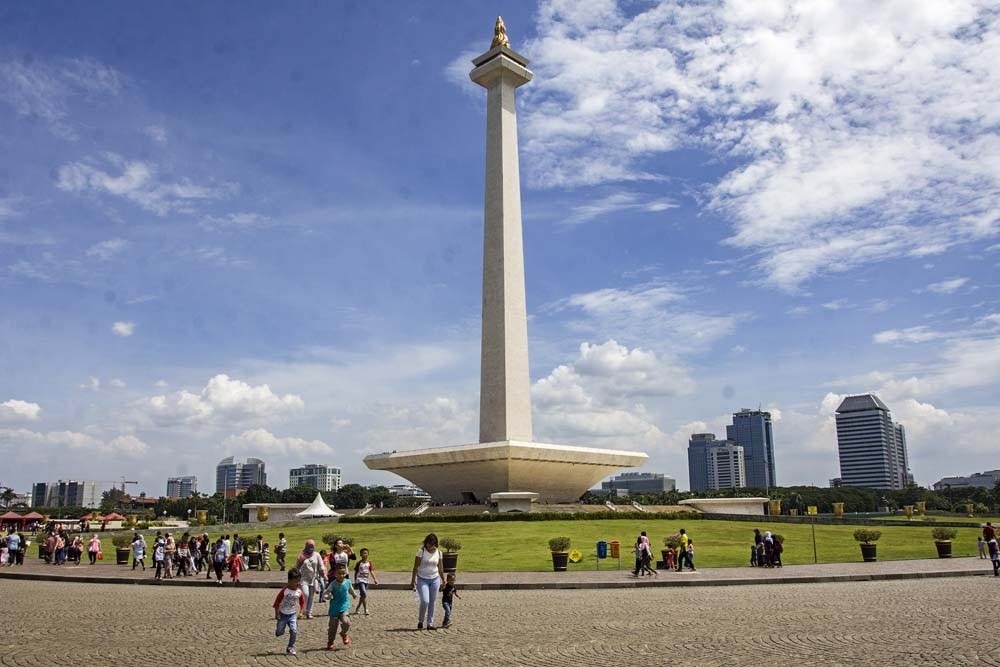
A: On the one hand, we aim to devote attention to contemporary issues in Southeast Asia, such as recent elections, episodes of protest, public controversies and corruption scandals, the ongoing conflict in Myanmar, the impact of tensions between US and China, fluctuating economic trends, large-scale flooding and other environmental disasters. On the other hand, we aim to devote attention to cutting-edge scholarship that focuses on historical issues and on aspects of contemporary Southeast Asia which don’t receive much coverage in the news.
Q: What episodes should someone who is new to Dialogues on Southeast Asia start off with?
A: Just as the region is famously diverse, so is our podcast series, so it depends on listeners’ particular interests in the region. We’re especially proud of the interviews we’ve conducted with LSE colleagues affiliated with the Centre who work on Southeast Asia, like Sharmila Parmanand, Hans Steinmuller, and Qingfei Yi.
Tune in to Sharmila Parmanand’s interview about the May 2025 mid-term elections in the Philippines.
Listen to Hans Steinmuller discuss the Wa State along Myanmar’s border with Yunan Province, China.
Learn about Sino-Vietnamese Border relations with Qingfei Yi.
Q: If you could have any one person on the podcast, who would it be?
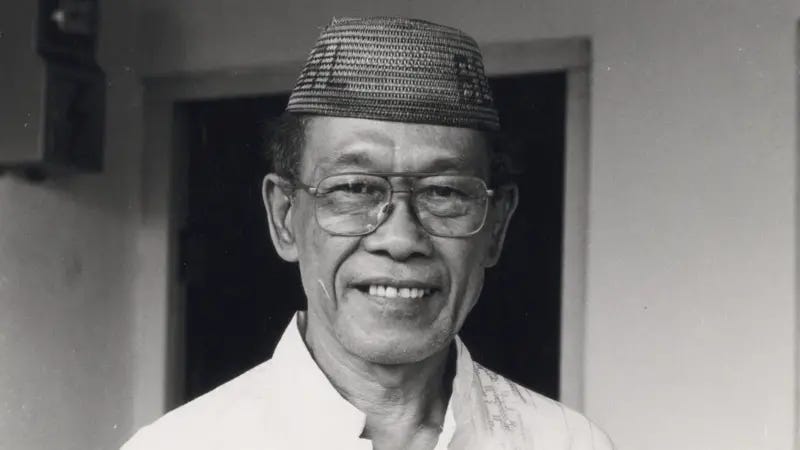
A: If we could bring back some of the late great scholars of Southeast Asia who are no longer with us, that would be the dream – Benedict Anderson, Clifford Geertz, James C. Scott all come to mind, as do scholars who were taken from us much too early in life, like Jennifer Cushman, Jeffrey Hadler, and Mary Steedley. The Indonesian novelist and long-time political prisoner Pramoedya Ananta Toer. Or to reach back further in time, José Rizal, the great Filipino novelist and nationalist hero.
Q: Do you have any recommendations for readers who are interested in learning more about Southeast Asia?
A: The New Books Network hosts other podcasts focused on Southeast Asia which are really excellent – New Books in Southeast Asian Studies and Talking Thai Politics come to mind. The blog websites New Mandala, hosted by Southeast Asia specialists at the Australian National University, Fulcrum, published by the ISEAS – Yusof Ishak Institute, and our own LSE Southeast Asia blog are also excellent portals for academic research on the region.
Q: Is there anything else you’d like to share with our audience about SEAC, or Dialogues on Southeast Asia?
A: The Saw Swee Hock Southeast Asia Centre at LSE is proud to champion outstanding research on one of the world’s most dynamic regions. Even as area studies centers and programs face new challenges across the UK, Europe, and beyond, we remain deeply committed to nurturing scholarship, amplifying diverse voices, and fostering meaningful dialogue. Our Dialogues on Southeast Asia podcast brings cutting-edge research and fresh perspectives to a global audience, reflecting our mission to help make the field vibrant and accessible. We are grateful to the scholars and students whose work keeps Southeast Asian Studies lively and rich, and we warmly invite donors and partners to join us in strengthening the future of this vital field.
Listen to their most recent episode about Thailand’s snap election in February here:
Connect with Dialogues on Southeast Asia: YouTube LinkedIn Instagram and Subscribe to the newsletter here