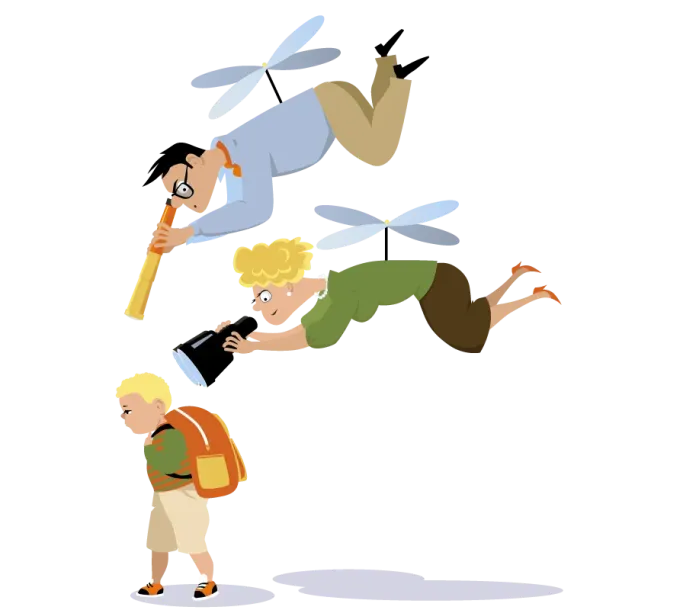
Revenge of the Helicoptered Children
Nina Bandelj on the costs and consequences of overparenting
In this week’s Newsletter
Fast 5 with Nina Bandelj
Anthropology On Air
Scholarly Sources with Max Telford
Fast Five: Nina Bandelj
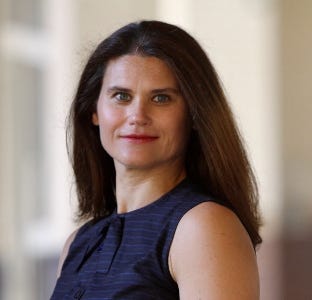
Nina Bandelj is Chancellor’s Professor in the Department of Sociology at the University of California, Irvine. She recently published Overinvested: The Emotional Economy of Modern Parenting, which explores the costs and consequences of overparenting. Below, Nina shares five of her favorite books on parenting.

Pricing the Priceless Child: The Changing Social Value of Children (Princeton University Press edition) by Viviana Zelizer - “Priceless” is priceless to me, as it has not only influenced so much of my own research but, full disclosure, is written by a dear mentor and friend. Can archival cases of life insurance, disputes over child labor and markets for babies make for compelling reading? Believe me, they can, in Zelizer’s elegant historical sociology that reveals how modern society transformed children from “economically useful to emotionally priceless,” how love, money, and morality intertwine, and why sentiments and markets are never truly separate.
Unequal Childhoods: Class, Race, and Family Life by Annette Lareau (second edition) - If you are a parent (or not), you may have heard this idea of “concerted cultivation,” and it is as laborious as it sounds. Sociologist Annette Lareau introduced it in her influential book, Unequal Childhoods, helping us understand how everyday parenting practices reproduce social class inequality in our society. From dinner tables, playgrounds, back-to-school nights, and medical appointments, how parents instruct children to communicate with teachers, doctors and other authority figures is a way to equip them with “cultural capital” for life.
Free to Learn: Why Unleashing the Instinct to Play Will Make Our Children Happier, More Self-Reliant, and Better Students for Life by Peter Gray - A nine-year-old tells psychologist Peter Gray to “go to hell.” So begins his book, Free to Learn, pulling us into Gray’s own experience with parenting and inviting us to follow decades of research to dismantle the myth that schooling equals education. What I felt free to learn from Gray was how much children need play and freedom and how important it is for them to have autonomy to ignite real learning, become more self-reliant and set up to handle life as adults.
Free Range Kids by Lenore Skenazy (2021 second edition) - A nine-year-old plays a central role here, too! In this case, it’s journalist Lenore Skenazy’s son whom she let ride the NYC subway alone at that age and was labelled “the world’s worst mom” for it. With wit and compassion, Skenazy wrote Free Range Kids for all the worried parents out there and also inspired a movement to Let (kids) Grow. Dax Shephard, of the Armchair Expert podcast, likes this book a lot, too.
Go, Dog. Go! by P.D. Eastman. - From way back in 1961, dogs driving cars, wearing hats, questioning norms, having fun. I read it out loud in Dr. Seuss’ voice, letting simple words transform into a whimsical journey where red, blue, yellow and green dogs learn by doing, questioning, and playing, without worksheets or instructional lessons at every turn. Go, Dog. Go! lets me celebrate in delightful experimentation and all the ways to ask, “Why not?” Indeed, why not recommend a children’s book to adult readers of the NBN Newsletter? Enjoy!
Listen to Nina’s interview about her book Overinvested: The Emotional Economy of Modern Parenting.
Anthropology On Air
We are excited to share the wonderful podcast Anthropology on Air on the New Books Network! Read our Q&A with hosts Sadie and Sidsel to learn more.
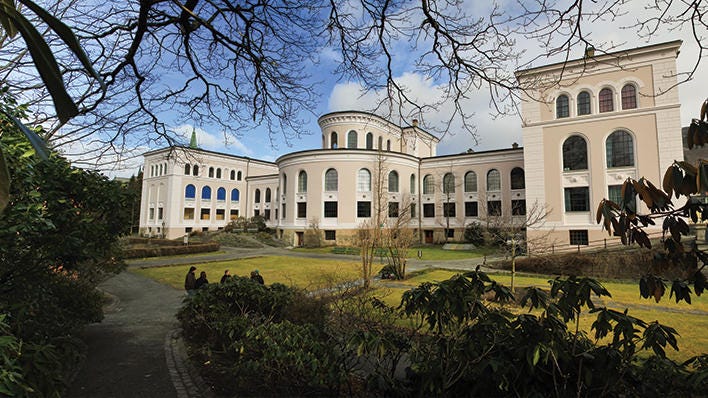
Anthropology on Air is a podcast brought to you by the Social Anthropology department at the University of Bergen in Norway. Each season, we bring you conversations with inspiring thinkers from the anthropology world and beyond. The music in the podcast is made by Victor Lange, and the episodes are hosted and produced by Sidsel Marie Henriksen and Sadie Hale. You can follow us on Facebook or visit Institutt for Sosialantropologi where you can find more information on the ongoing work and upcoming events at the department.
Sidsel Marie is a PhD fellow in social anthropology at the University of Bergen. She does research on the therapeutic use of psychedelics, and is also a host at the Regnfang podcast (regnfang.nu)
Sadie Hale is a PhD fellow in social anthropology with the SEATIMES project at the University Bergen, funded by the Norwegian Research Council. She researches human-whale relations in the Norwegian Arctic.
Q: How did you decide to start Anthropology on Air?
A: We met in 2022 as new PhD students and both had an interest in podcasting and audio formats more broadly. We noticed that our Department hosted seminars with a lot of interesting researchers, and we wanted to share their talks with the rest of the anthropology-interested world.
Q: Can you share a bit more about the mission and goals of your podcast?
A: We hope to make podcasts that give the listeners something to think about and maybe even inspire them to look for more knowledge on the topic. Our interview style is very informal, and we like to give our guests time to answer. It is important for us that the dialogical element of the interviews shines through in the final podcast and, for this purpose, we edit as little as possible.
Q: What are the themes and issues that you hope to focus on with this podcast this year?
A: We interview whoever gets the chance to come by Bergen. So it really depends on our visitors!
Q: What has been most fun, memorable, or rewarding about hosting the podcast?
A: We really enjoyed the first creative phase of making the podcast together: the name, the logo, and the format. Apart from that, meeting all the guests and learning about their diverse fields of research has been very rewarding. Seeing that Anthropology on Air had made it to more than 200 countries was also very heart warming, and we would love to hear more from our listeners!
Q: What episodes should someone who is new to Anthropology on Air start off with?
A: We would begin where we did with the first episode with Kregg Hetherington on ghost rivers and composite ethnography. We really also enjoyed speaking with Tanya Luhrmann and Harvey Whitehouse. For an alternative interview that features a poetry read, go for Hans Lucht.
Q: If you could have any one person on the podcast, who would it be?
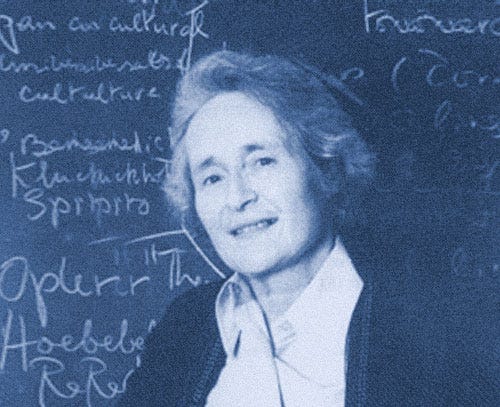
A: Sidsel: I would say Mary Douglas. Her contributions to anthropology are remarkably important, and it must have been captivating to be in the presence of her intellectual capacity.
Sadie: I greatly admire Alex Blanchette, whose fieldwork in pig farms and slaughterhouses must have been some of the most challenging I can imagine. If I may include scholars who have passed away, I would say Arne Kalland, a Norwegian anthropologist who worked on whales and whaling and who has been influential in my own work.
Subscribe to Anthropology on Air to catch all of Sadie and Sidsel’s interviews! You can also connect with Anthropology on Air and University of Bergen Department of Social Anthropology:
Anthropology on Air Facebook | University of Bergen Department of Social Anthropology Facebook | University of Bergen Department of Social Anthropology LinkedIn | Sadie’s personal website
Scholarly Sources with Max Telford
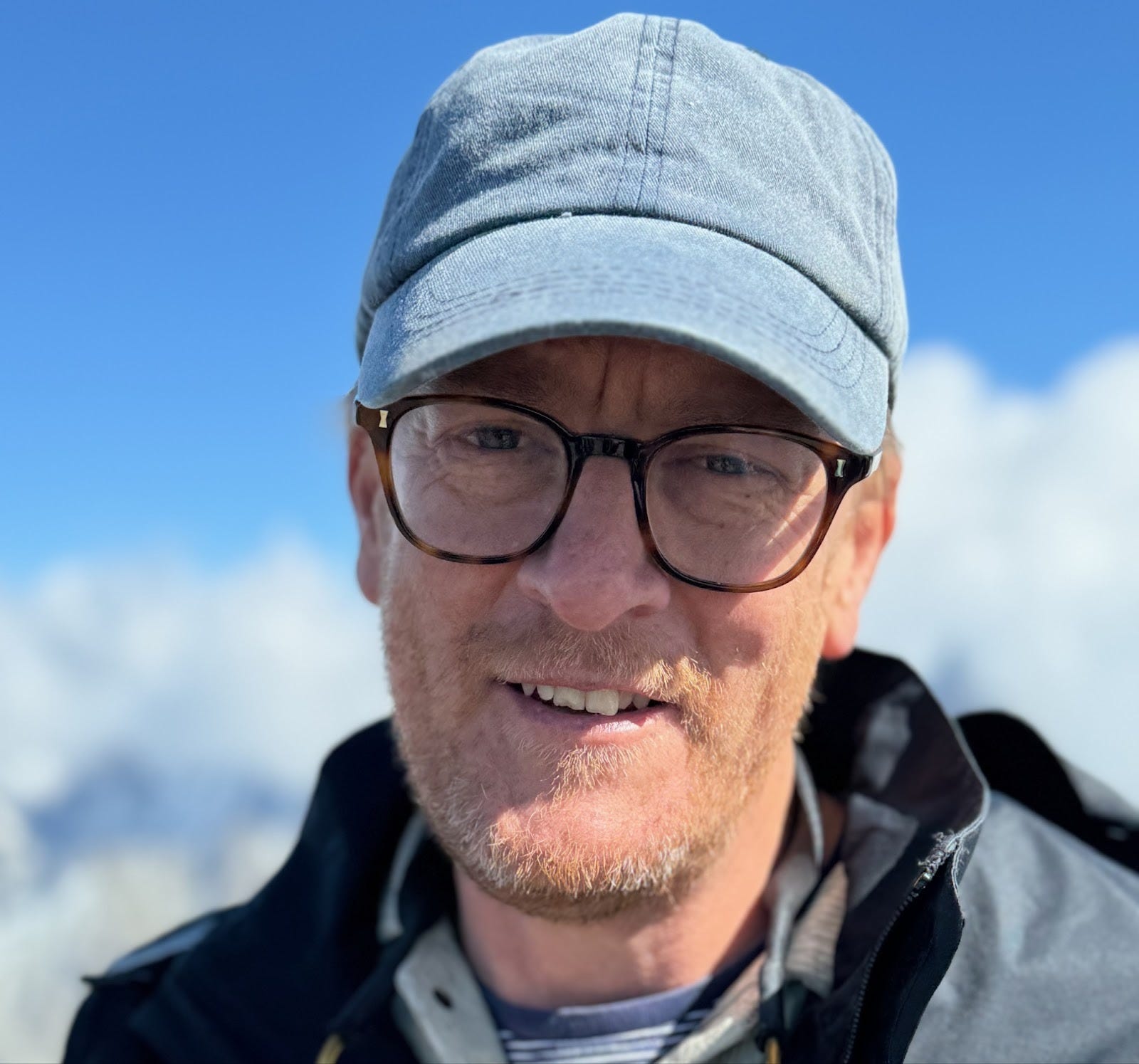
Max Telford is the Jodrell Professor of Zoology and Comparative Anatomy at University College London. His first book, The Tree of Life: Solving Science’s Greatest Puzzle, was published by Norton in 2025. He has worked in Oxford, Paris, Cambridge and in the Natural History Museum in London.
Q: What are you reading right now?
A: Small Rain by Garth Greenwell.
Q: What is your favorite book to assign or give to people and why?
A: I often recommend The Eighth Day of Creation: Makers of the Revolution in Biology by Horace Freeland Judson. This is an incredibly exciting account of the early days of molecular biology: the discoveries surrounding DNA, of its structure and the details of how the genetic code works. A lot of the book is the product of interviews the author had with all the main protagonists of this hugely important chapter in biology. It is brilliantly written and, for me, the best thing about the book is that it manages to convey the excitement these pioneers felt as, in a rush of competition, they discovered for the first time how the molecules of life work. It has been described as “semi-popular” science writing and I admit that it is a little involved (and long!), but, perhaps because it’s written by a non-scientist, it is still approachable by anyone prepared to make the effort to start.
Q: Is there a book you read as a student that had a particularly profound impact on your trajectory as a scholar?
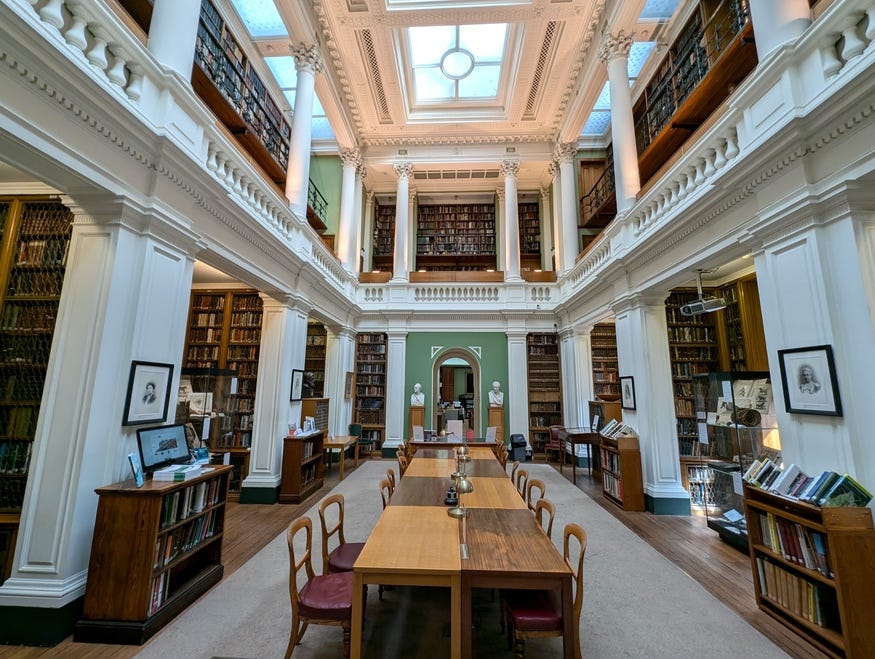
A: Life on Earth by David Attenborough. The television series (in the 1980s!) was brilliant but I think I prefer the book. Brilliantly illustrated, wonderfully written. I now run a course for first year biology undergraduates for which I have borrowed the name ‘“Life on Earth” and which follows a similar path from the origin of life four billion years ago to the current, amazing diversity of every species we now share the planet with. Sir David’s is the only autograph I have ever asked for (I met him at the Linnean Society in 2007) and I have pasted it into my copy of Life on Earth.
Q: Which writer, deceased or alive, would you most like to meet and why?
A: Well I have already met David Attenborough! But as a young man living in Paris in the early 1990s, I loved Ernest Hemingway’s A Moveable Feast. This is set in Paris in the 1920s where Hemingway was hanging out and carousing with F. Scott Fitzgerald and many others. A night out with those two would be pretty fun though I would never be able to keep up, especially not now!
Q: What’s the best book you’ve read in the past year?
A: Destroyer of Worlds: The Deep History of the Nuclear Age: 1895-1965 by Frank Close. A brilliantly written history of the development of the nuclear bomb from the discovery of radioactivity through to the explosions in Japan and beyond. I am no physicist but found the science wonderfully explained. It is far more than the science however covering the history, the personalities involved and politics surrounding the development of the bomb.
Q: Have you seen any museum exhibitions that left an impression on you recently?
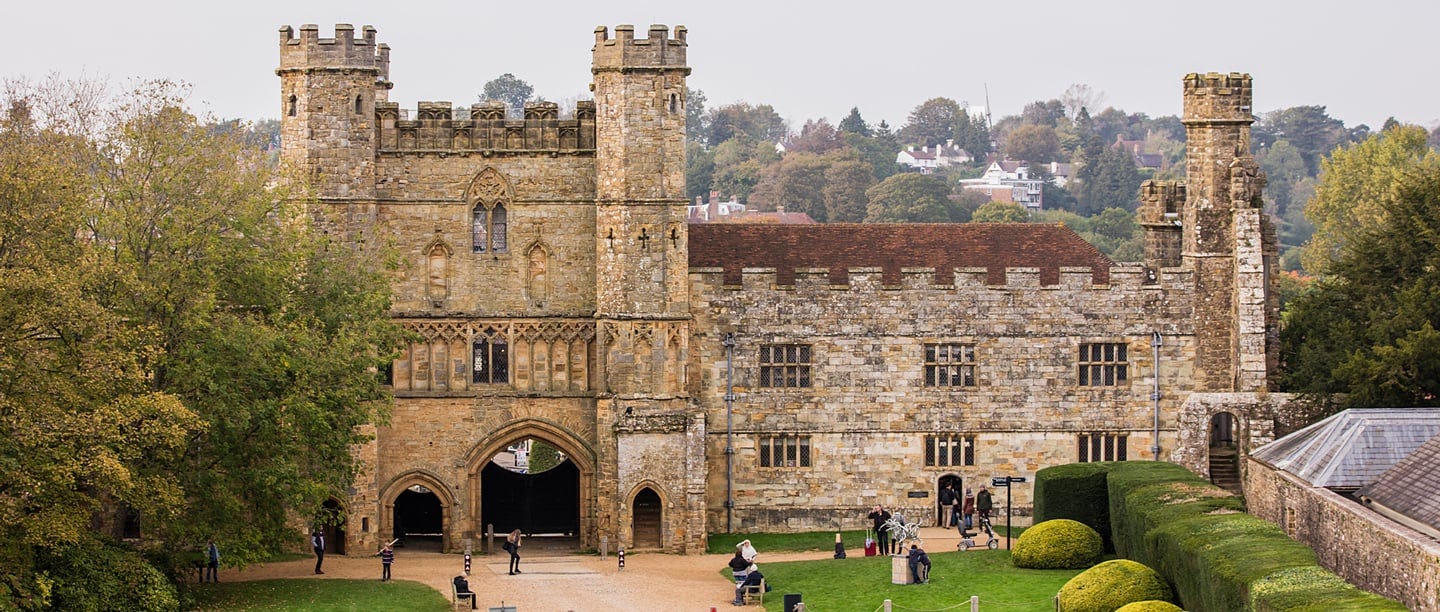
A: On a cold and rainy New Year’s day I visited the site of the Battle of Hastings in Sussex on the South coast of England. It is where the Frenchman William the Conqueror defeated the Anglo Saxon King Harold Godwinson in 1066. The hillside where the battle was fought is tiny. The fate of a country decided by the few thousand soldiers who could be fitted in there. At the top of the hill are the beautiful remains of an enormous Abbey, built by William on the spot where Harold had died. The Abbey was inevitably destroyed by Henry VIII. A lot of English history in one beautiful spot.
Q: What do you plan on reading next?
A: Can I have two? First up is Crick: A Mind in Motion – from DNA to the Brain which is Matthew Cobb’s new biography of Francis Crick (co-discoverer of the double helix).
The second is The Black Count: Glory, Revolution, Betrayal and the Real Count of Monte Cristo by Tom Reiss. This covers the almost unbelievable life of Thomas-Alexandre Dumas, father of the novelist Alexandre Dumas. The older Dumas was the son of a black enslaved mother and a fugitive white French nobleman. He was briefly sold into bondage, but eventually ended up a general in Napoleon’s army before, like the Count of Monte Cristo, being thrown into a dungeon following the sinking of his ship.
Q: Who should read your book and why?
A: I wanted to write a popular book about a big topic. I hope that The Tree of Life could be read by anyone interested in knowing how we study the evolution of the extraordinary diversity of life on earth. How can we discover the history of millions of species we share the planet with from bacteria to oak trees; jellyfish to humans.
Q: Anything else you’d like to share?
A: It is February, the Seville oranges are briefly available, and so it is marmalade making season. My department at UCL has an annual marmalade making competition which I have won once! Pretty confident this year.
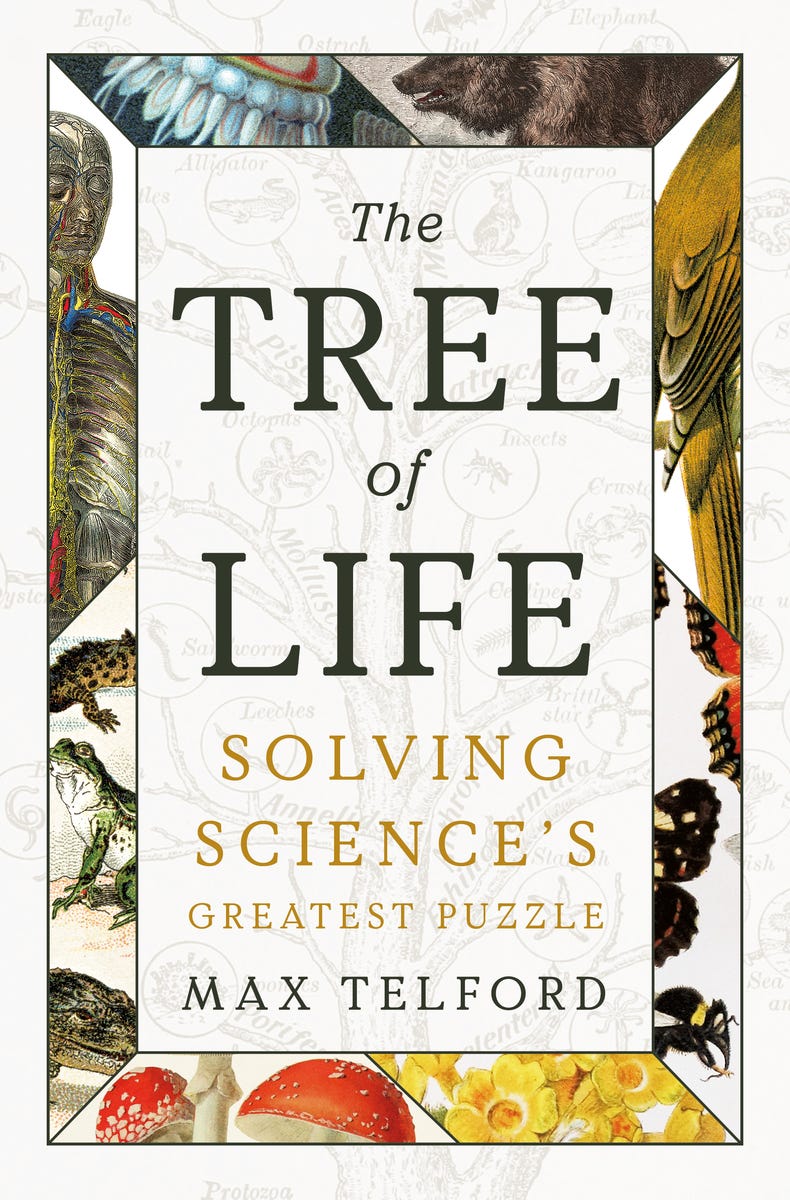
Check out Max’s fascinating book, The Tree of Life: Solving Science’s Greatest Puzzle and listen to his great NBN interview!
Subscribe to New Books in Biology and Evolution to discover more wonderful interviews with scientists like Max!