
Introducing The Caste Pod Podcast
Join us live in less than one hour to learn what makes for a great interview - Register for free
In this week’s newsletter
The Caste Pod with Ajantha Subramanian
Scholarly Sources with Luca Cottini
Graduate Student Spotlight: T. Yejoo Kim
The Caste Pod
We are thrilled to announce a new podcast partner, The Caste Pod, hosted by Ajantha Subramanian and produced by Sidharth Ravi! Learn more about Ajantha and the podcast below:
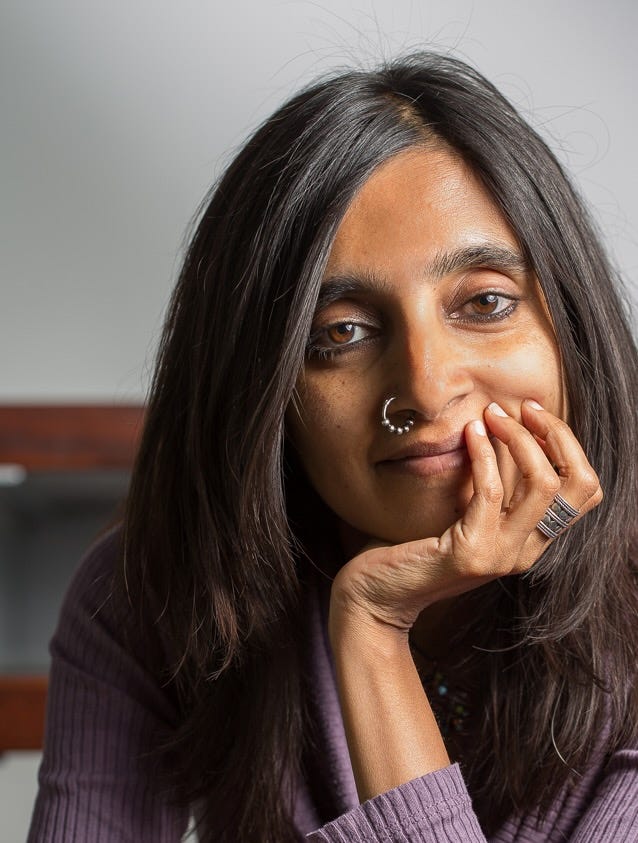
Ajantha Subramanian is Professor of Anthropology at the CUNY Graduate Center and author of Shorelines: Space and Rights in South India (Stanford University Press, 2009) and The Caste of Merit: Engineering Education in India (Harvard University Press, 2019).
Caste is a social institution that structures inequities and opportunities in South Asia and throughout the South Asian diaspora. Caste in South Asia has shape-shifted over time, traveling with South Asian migrants to new homelands that they’ve gone on to refashion. Considering the histories, present, and possible futures of caste, The Caste Pod explains what caste is and how it works. Ajantha speaks with experts and activists about how caste is experienced and conceived, learning in the process how it has been perpetuated, and what people have done to change and abolish it.
Q: Can you briefly introduce yourselves to our readers?
A: I am an anthropologist interested in issues of inequality and justice. My scholarship has focused on caste, one of the most supple and enduring forms of social stratification. I am particularly interested in how caste works within projects of governance and capitalist transformation, and how these projects in turn have shaped the social life of caste. I also approach caste as an instrument of classification and management that has been imagined and deployed in relation to class and race.
Listen to Ajantha’s 2019 interview about her book, The Caste of Merit: Engineering Education in India.
Q: Is there a book you read as a student that had a particularly profound impact on your trajectory as a scholar?
A: As an undergraduate, I read James H. Cone’s A Black Theology of Liberation, which led me to choose religion as my major and write a senior thesis comparing Black and Dalit liberation theologies. I moved away from a focus on religion but have remained interested in how liberatory imaginaries inform collective struggles.
Q: What is your favorite book or essay to assign and why?
A: It’s hard to pick one but among them is certainly Stuart Hall’s 1986 essay, “Gramsci’s Relevance for the Study of Race and Ethnicity,” which is a lucid overview of Italian Marxist Antonio Gramsci’s famously challenging body of work. By laying out Gramsci’s method of conjunctural analysis, Hall helps us understand the historical dynamism of racial, caste, and other seemingly fixed social identities.
Q: How did you decide to start The Caste Pod?
A: As an avid podcast listener, I’ve come to appreciate the access to knowledge and communities of conversation that this format affords. Often, scholarship that speaks to pressing social and political issues of our day is siloed in the university. This is certainly true when it comes to caste, which until recently has not been a topic of public debate in the United States. Two events in 2020 brought caste more into American public consciousness. The California Department of Civil Rights filed a caste discrimination suit against Cisco Systems on behalf of a Dalit employee, and Isabel Wilkerson published her bestseller, Caste: The Origins of Our Discontents. Since then, there has been intense political mobilization around making caste a protected category in U.S. anti-discrimination law and policy. Given this ferment, I thought it timely to launch a podcast that will give listeners a chance to better understand the complexity of caste as a transnational phenomenon and a battleground of domestic political and civil rights.

Q: Can you share a bit more about the mission and goals of your podcast?
A: Through curating bi-monthly conversations among scholars, activists, journalists, novelists, community organizers, and others, I aim to give listeners insight into how caste structures labor, fuels stigma, and motivates fierce alliances and hostilities. Some episodes will feature individual guests discussing their books, cultural productions, or life histories. Others will bring together South Asians and others from varied sectors and backgrounds who have different understandings and experiences of caste. I’ll be talking with people from academia and industry, nonprofit organizations and governments, social movements and media.
Q: What themes will you focus on with this podcast this year?
A: Episodes airing over the next year will cover some of the following themes: the virtues and limitations of comparing caste and race, feminist critiques of caste, the phenomenon of passing as upper caste, the operations of caste in the tech industry and in urban settings, upper caste liberalism, how transnational migration transforms caste, the movements for caste protections in the U.K. and the U.S., and the consolidation of caste with the rise of Hindu nationalism.
Q: If you could have any one person (no limits) on the podcast, who would it be?
A: Hmm…that’s a tough call! Assuming that no limits includes life itself, and bending the rules a bit, I’d love to stage a conversation between B.R. Ambedkar and Stuart Hall because there’s no one better to help us understand our contemporary moment of rising fascism, elite retrenchment, and transnational solidarity.


Q: Do you have any recommendations for readers who are interested in learning more about caste?
A: So many!
Books: B.R. Ambedkar’s Annihilation of Caste, Susan Bayly’s Caste, Society, and Politics in India, Anand Teltumbde’s Republic of Caste, M.N. Srinivas’ Caste in Modern India, Gail Omvedt’s Seeking Begumpura, Sumit Guha’s Beyond Caste, Anupama Rao’s The Caste Question, Sharmila Rege’s Writing Caste, Writing Gender; Shailaja Paik’s The Vulgarity of Caste, Rupa Viswanath’s The Pariah Problem, Alpa Shah et al.’s Ground Down by Growth
Articles and Book Chapters: Ashwini Deshpande’s “Merit, Mobility, and Modernism,” Sharad Chari’s “Provincializing Capital,” Balmurli Natrajan’s “Racialization and Ethnicization,” Satish Deshpande’s “Caste and Castelessness,” David Mosse’s “The Modernity of Caste and the Market Economy,” David Mosse’s “Outside Caste?” Joel Lee’s “Odor and Order,” Nico Slate’s “The Dalit Panthers,” and Daniel Immerwahr’s “Caste or Colony?”
Memoirs and Novels: Mulk Raj Anand’s Untouchable, Bama’s Karukku, Sujatha Gidla’s Ants Among Elephants, U.R. Ananthamurthy’s Samskara, Yashica Dutt’s Coming Out as Dalit, Ravikant Kisana’s Meet the Savarnas, Arundhati Roy’s God of Small Things, Perumal Murugan’s Seasons of the Palm, Aravind Adiga’s The White Tiger, Gaiutra Bahadur’s Coolie Woman, Suraj Yengde’s Caste Matters, and Thenmozhi Soundararajan’s The Trauma of Caste.
Movies: Anything by the Tamil filmmakers Pa Ranjith and Mari Selvaraj.
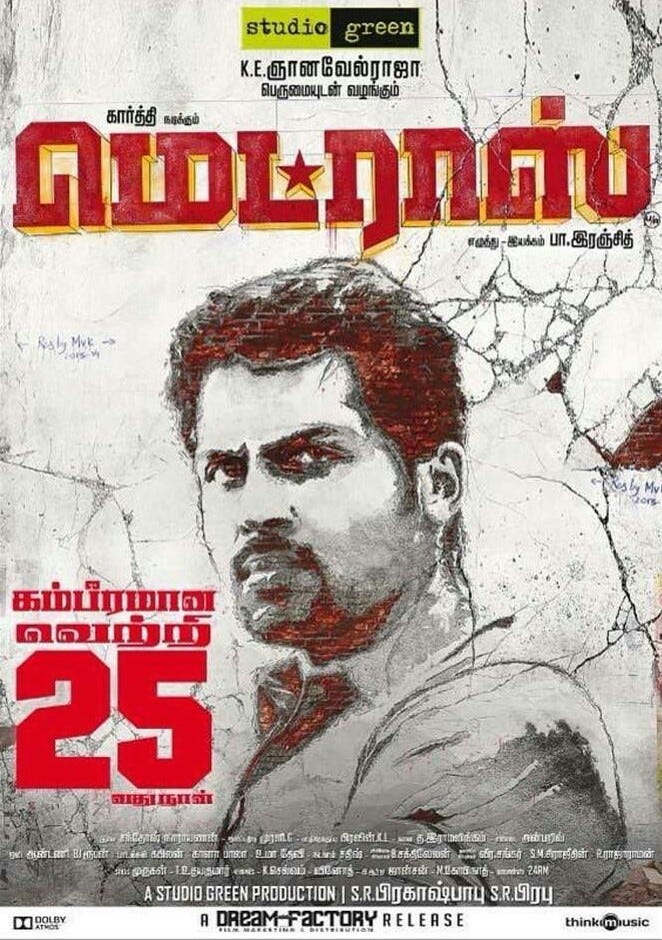
Podcasts and lecture series: I recommend Caste in the USA, hosted by Thenmozhi Soundararajan, founder of Equality Labs. I’d also suggest Let’s Read Ambedkar, a 10-part teach-in led by V. Geetha and hosted by the Ambedkar King Study Circle. Also, The Wire magazine provides excellent coverage on caste politics in India and the U.S.
Q: Is there anything else you’d like to share with our audience about yourself or the podcast?
A: Please listen in and send comments and suggestions to thecastepod@gmail.com!
Listen to The Caste Pod’s first episode, and subscribe to catch all of Ajantha’s upcoming episodes!
Scholarly Sources: Luca Cottini
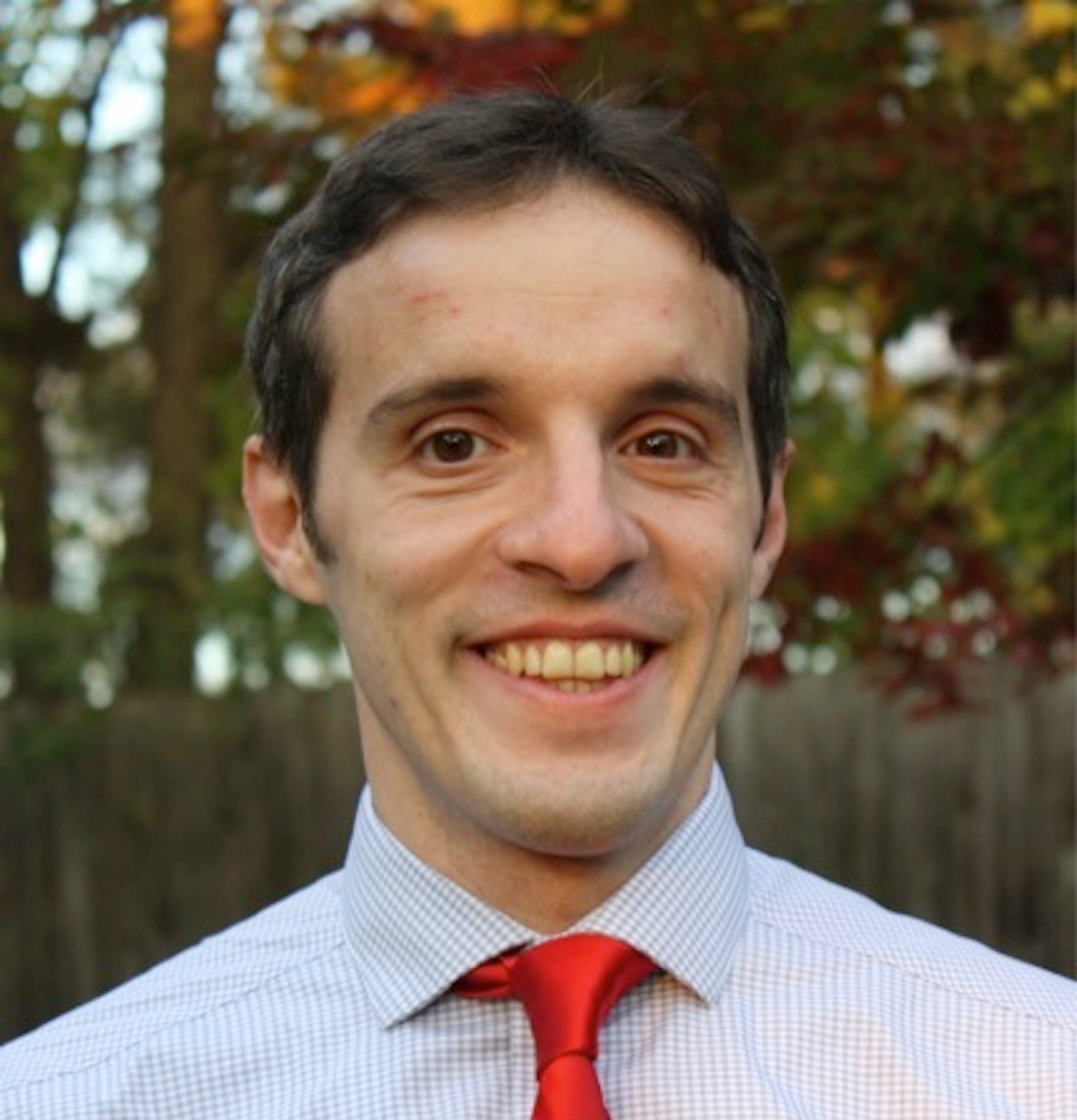
Luca Cottini is a scholar of modern Italian Literature and a cultural historian. He is Full Professor of Italian Studies at Villanova University. His research focuses on Italian modernist literature, Italian industrial culture (design and advertising), and the relationship between storytelling and entrepreneurship.
Q: What are you reading right now?
A: The Swerve: How the World Became Modern by Stephen Greenblatt. Fantastic book!
Q: What is your favorite book or essay to give to people and why?
A: Originals: How Non-Conformists Rule the World by Adam Grant. This is quite a compelling and provocative reflection on the nature of originality. The author’s background in organizational behavior allows him to observe within a broader or perhaps different horizon such important questions as: Where is an idea born? Where is a story born? Where is a piece of design born?
Q: Is there a book you read as a student that had a particularly profound impact on your trajectory in life?
A: Yes, there are a few!
Mimesis: The Representation of Reality in Western Literature by Erich Auerbach
Illuminations and The Work of Art in the Age of Mechanical Reproduction, both by Walter Benjamin
The Painter of Modern Life by Charles Baudelaire
The Culture of Time and Space. 1880-1918 by Stephen Kern
Q: Which deceased writer would you most like to meet and why?
A: Beppe Fenoglio. Italian writer of the postwar period (1922-1963). He wrote about the Italian war of Resistance between 1943 and 1945. He used to write in English first and then translate himself into Italian. His posthumous masterpiece, Il partigiano Johnny, is a bilingual novel written in English and Italian. I am fascinated by his books and his bilingual style. His American equivalent would be Ernest Hemingway.
Q: What’s the best book you’ve read in the past year?
A: Guido Bonsaver’s America in Italian Culture: The Rise of a New Model of Modernity, 1861-1943. A broad reflection on the concept of “America” in Italian culture, which dialogues with my work on Americanism.
Q: Have you seen any museum exhibitions that left an impression on you recently?
A: The exhibit on Belle Da Costa Greene, the first curator of the JP Morgan library inside the Morgan Library in NYC. Learn more here

Q: What do you plan on reading next?
A: Mostly, books on entrepreneurship and Italian design for my new book project on Made in Italy and Italian design. I would start by re-reading: Riccardo Illy’s book, The Art of Excellent Products: Enchanting Customers with Premium Brand Experiences.
Q: Who should read The Rise of Americanism in Italy, 1888-1919?
A: The project appeals to a diversified academic readership of literary critics, historians, theologians, and scholars of emigration or early industrialism. At the same time, as the book stages a different perspective on the historical reflection about American identity, it might be appealing to a general audience.
Q: You run a YouTube series called Italian Innovators. What do you showcase with this channel?
A: Italian Innovators aims to present Italy’s contributions to the modern world and explore its success model, which I trace in its deliberate fusion of arts and industry, beauty and technology, crafts and manufacture. It does so by presenting profiles of great Italian designers and entrepreneurs from both a cultural and a strategic lens.

Q: Do you have any advice for scholars interested in launching an educational YouTube channel?
A: Launching a YouTube channel is like learning a new language. It implies the willingness to learn again what we think we already know but from another angle. It takes humility and audacity. Transitioning from writing a scholarly book to producing videos for a general audience also requires time, effort, availability to learn from mistakes, and ears open to many voices and different forms of feedback.
Graduate Student Spotlight: T. Yejoo Kim
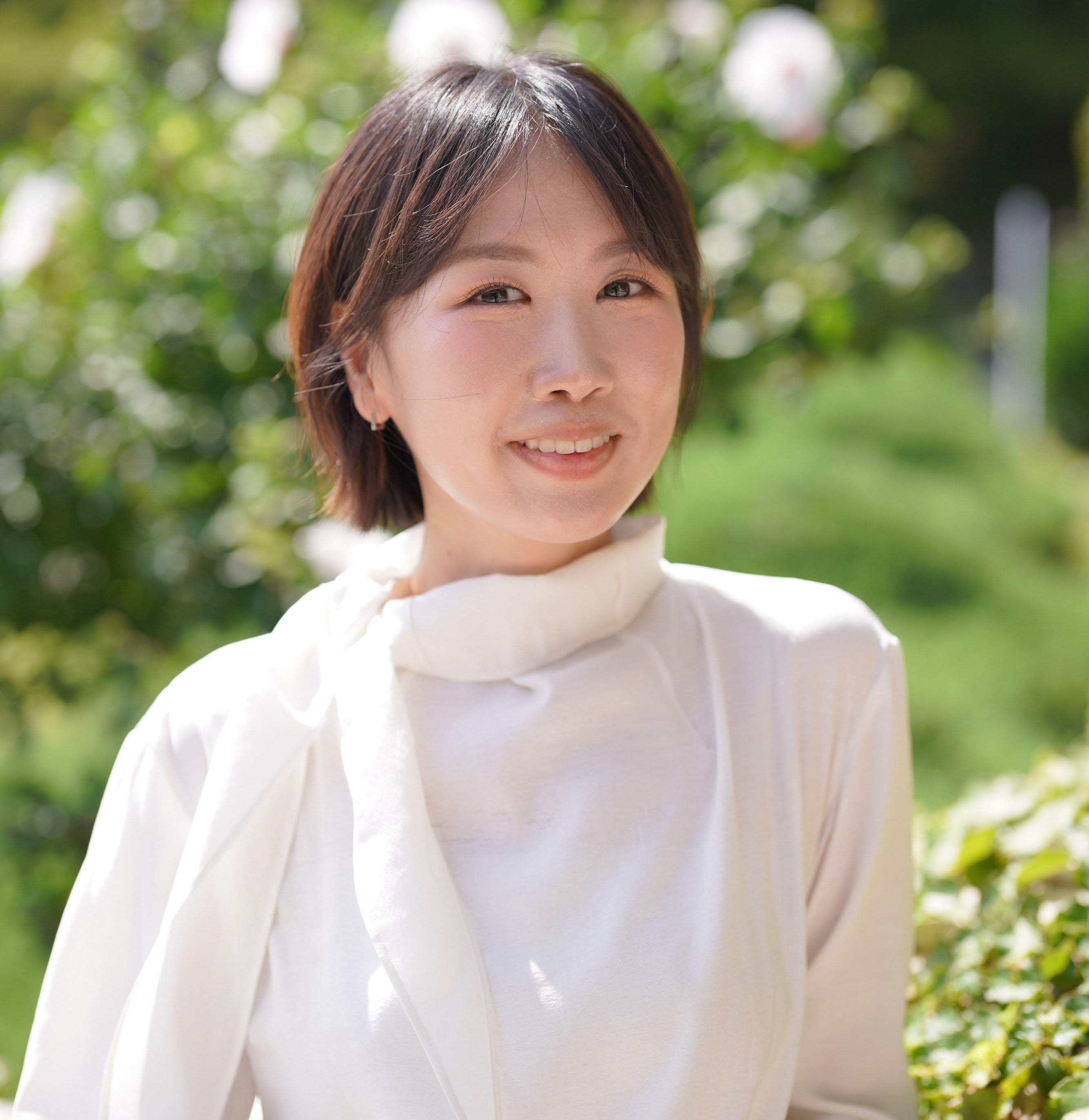
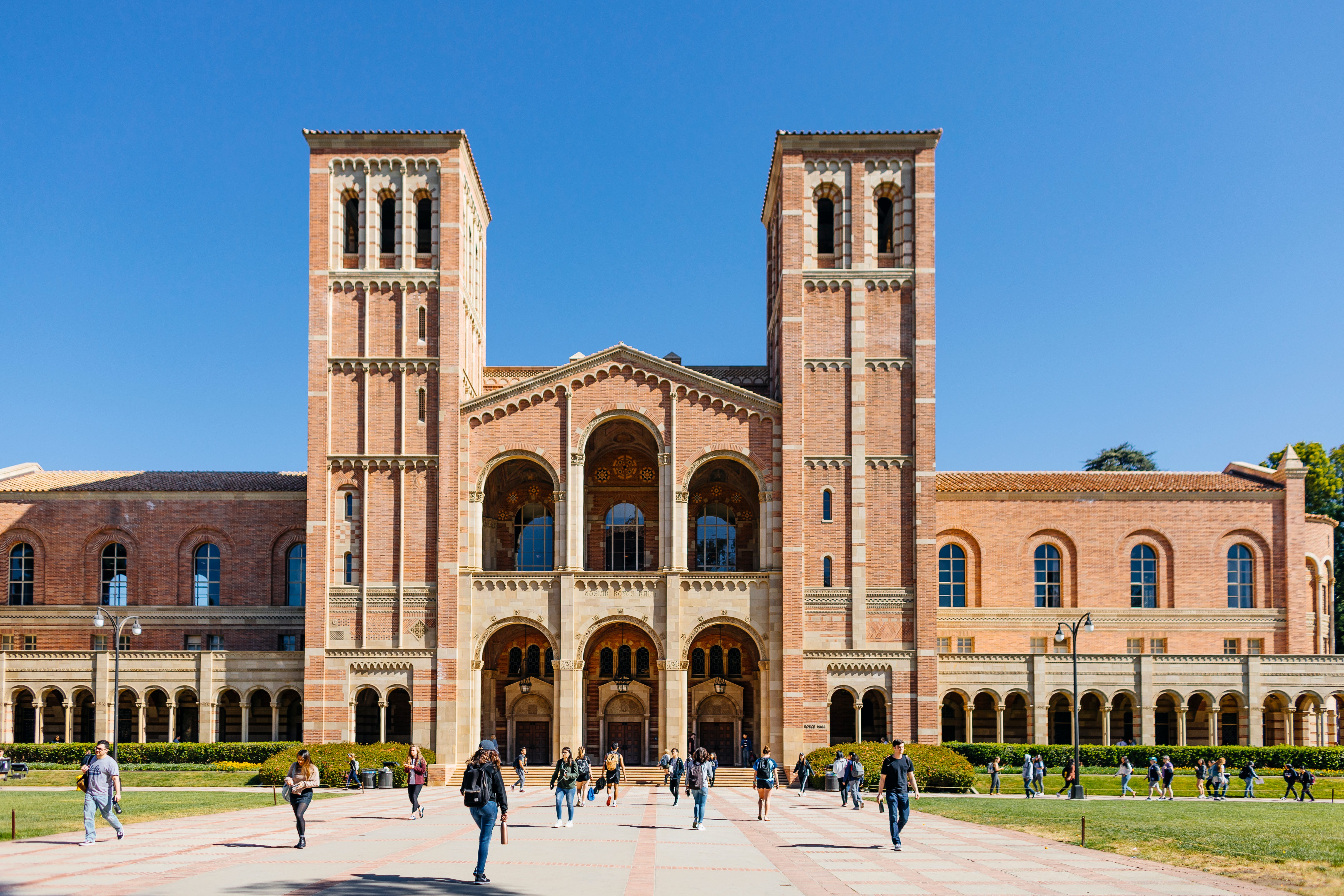
Hello! My name is T. Yejoo Kim. I’m a sixth year PhD student in anthropology at UCLA. Before this, I studied film and literature for my undergraduate degree at Cornell University.
Q: Can you share a bit about your academic interests and what led you to your research topic?
A: My current work tries to understand the division of Korea from the perspective of everyday people living close to the actual dividing line, the Korean Demilitarized Zone. I’ve always had broad interests in borders and mobility, having moved between margins my entire life. But I wasn’t sure through which disciplinary means and method I should explore these interests. Long story short, I learned about anthropology in a filmmaking class during my last year of university, and, since then, it’s led me closer to my current research topic and, most importantly, myself.
Q: Why did you decide to go to graduate school?
A: I think I always wanted to go to graduate school, but I spent a long time trying to figure out the whats and whys of making that decision (it’s a huge decision!). Out of college, I spent a few years studying (Fulbright in Korea) and working (arts, education, media, and human rights). Through those years, I realized my desire to go to grad school only grew. Why? I wanted to learn. What? I wanted to write a book. Specifically, I wanted to learn as an anthropologist and write a book about people who mattered to me. Graduate school felt like the place I could do both.
Q: What have you found rewarding about graduate school so far?
A: Graduate school is truly one of the few spaces in which we can read, learn, and write to our hearts’ content. On hard days, I remain grateful that I can do all of this and in the company of some of the best minds of our generation. Especially as our societies become more polarized, I find that graduate school provides one of the few spaces where we can practice intellectual curiosity and generosity towards each other. With graduation quickly approaching, I am doing my best to make the most of this time now while the training wheels are still on.
Q: Are there any books that have been influential in your evolution as a scholar?
A: Transatlantic thinkers have probably had the biggest influence on me in graduate school. Through them, I’ve been introduced to abolitionist and transpacific frameworks that have given my own research a new life force. I probably have read Édouard Glissant’s Poetics of Relation the most, and his words have guided my research in remembering our ever-changing difference and our individual “right to opacity.”

Q: If you could meet one writer or scholar, who would it be?
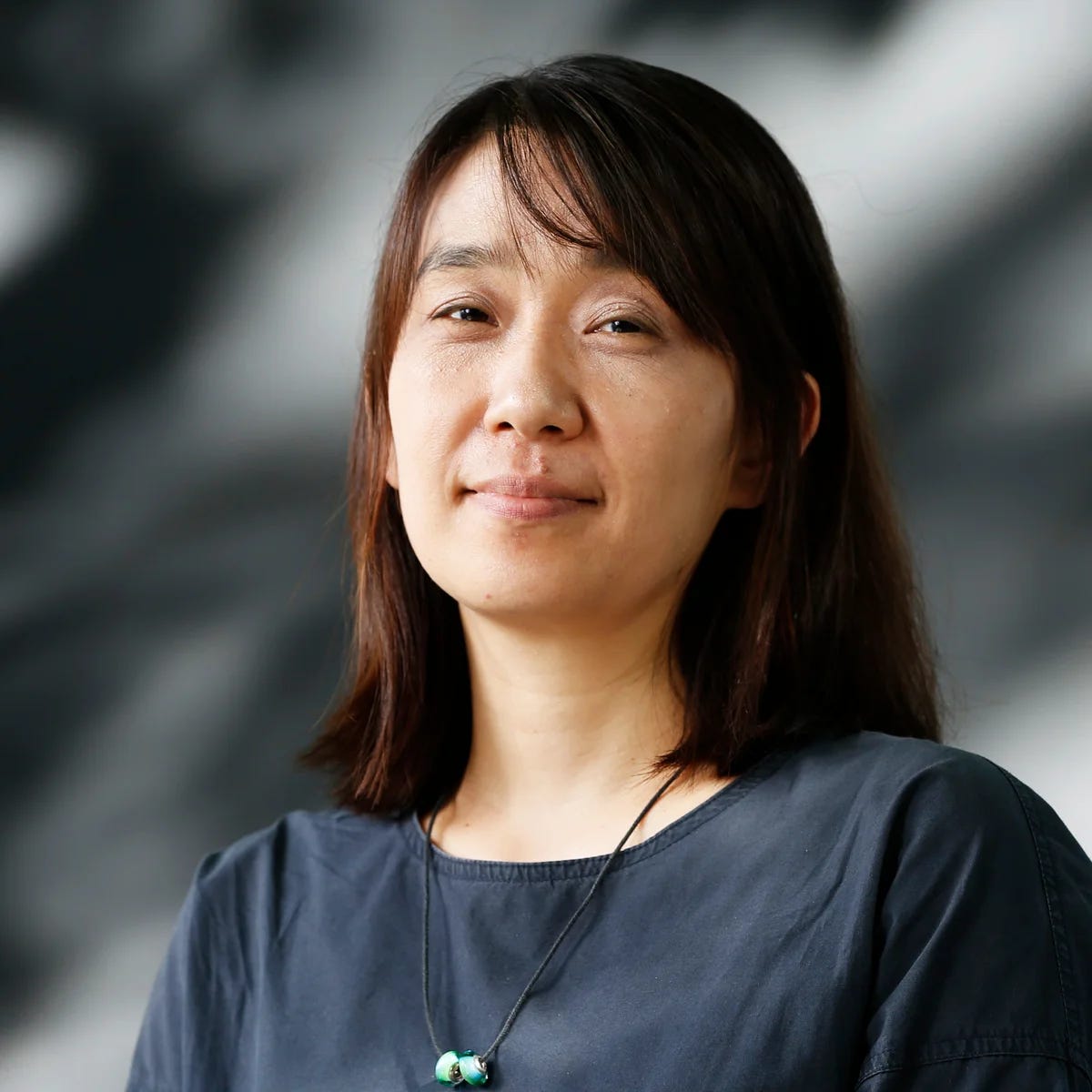
A: I would love to meet Han Kang. Genre aside, I aspire to write like her — the ways in which she crafts words to confront a powerful and vulnerable truth that fundamentally changes the moral conscience of a generation.
Q: Is there anything that has been challenging for you about graduate school that you want to share with readers?
A: Graduate school invites a lot of emotional, financial and professional instability into your life. Being a student worker through a pandemic, civil and natural unrest, and increasing austerity in higher education has not been easy. A major challenge through these years has been staying soft while trying to survive.
Q: And to build on that, is there any advice you would like to give to graduate students who are just starting out?
A: Find your communities. You need comrades, friends, and mentors whom you can rely on during this long and often unforgiving journey. Find them on campus but also outside of school. The point is to surround yourself with people who understand but also remind you of the largeness of life outside of academia. Build routine. Academia is full of loose and moving deadlines. The long-term nature of our projects makes most days feel not very gratifying. I found it helpful to have a lot of short-term side quests (creative projects, marathon running, etc.) or rewards (nature trips, live music, etc.) to bring healthier rhythms into my life.
Remember who you are. Graduate school is full of rejections, yet we mostly see the tip of the iceberg — the awards, secured funding, etc. When you have put your entire life into your research, rejections can be incredibly demoralizing. One senior scholar in my department once reminded me that one needs a lot of “spiritual strength” to get through it all. Cultivating practices, whatever that may be for you, to strengthen your spirit and sense of self are vital to getting through the rough periods.
Q: How has the NBN been useful in graduate school?
A: I’ve enjoyed so many episodes! I first found NBN during my coursework years. At the time, I found it really helpful to listen to the author’s voice before I began reading their book for class. And having graduate student hosts also made these often famous scholars feel more accessible to me. Over time, it’s evolved into an invaluable resource to stay up to date on new exciting conversations. I listen all the time!