
What's Behind the Moving Image?
Film, Hitchcock, and cultural history
“I have a lot of students who want to enter the motion picture industry, and I always tell them to read William Goldman’s Adventures in the Screen Trade. Even though the motion picture industry has changed radically since the book’s publication in 1983, it still offers illuminating insights into what makes a great screenplay and how to succeed in the business.”
-Professor Thomas Doherty
In this week’s newsletter
3 Episodes On: Film
Tony Lee Moral on Alfred Hitchcock
Scholarly Sources with cultural historian Thomas Doherty
Meet a Host: Alix Beeston
3 Episodes On: Film
Listen to our interview with Laura Horak about Trans Cinema: Making Communities, Identities, and Worlds. She introduces listeners to the diverse and creative cinema made by trans creators. In doing so, she highlights the innovative approaches of trans and gender-nonconforming artists as they explore how people relate to one another, what it's like to have a body, and how people survive in oppressive societies.
In Acts of Love: Black Performance and the Kiss That Changed Film History, Allyson Nadia Field examines popular culture's negotiation of blackness to reconsider the intersections of minstrelsy, vaudeville, and cinema in ragtime America. Through her research on the lives of vaudeville actors Saint Suttle and Gertie Brown, she shows the power of Black performance on stage and screen from the nineteenth century to today.
Ghostbusters, Jurassic Park, Mean Girls, Twister, Dune, the list goes on. So many Hollywood classics have been remade and rebooted. Listen to our interview about Rebooting Inequality: Critical Takes on Film and Television Remakes. The editors bring together twelve concise, theoretically rich essays that interrogate how Hollywood’s recycling of intellectual property sustains entrenched systems of racial, gender, and sexual inequality.
Tony Lee Moral on Alfred Hitchcock
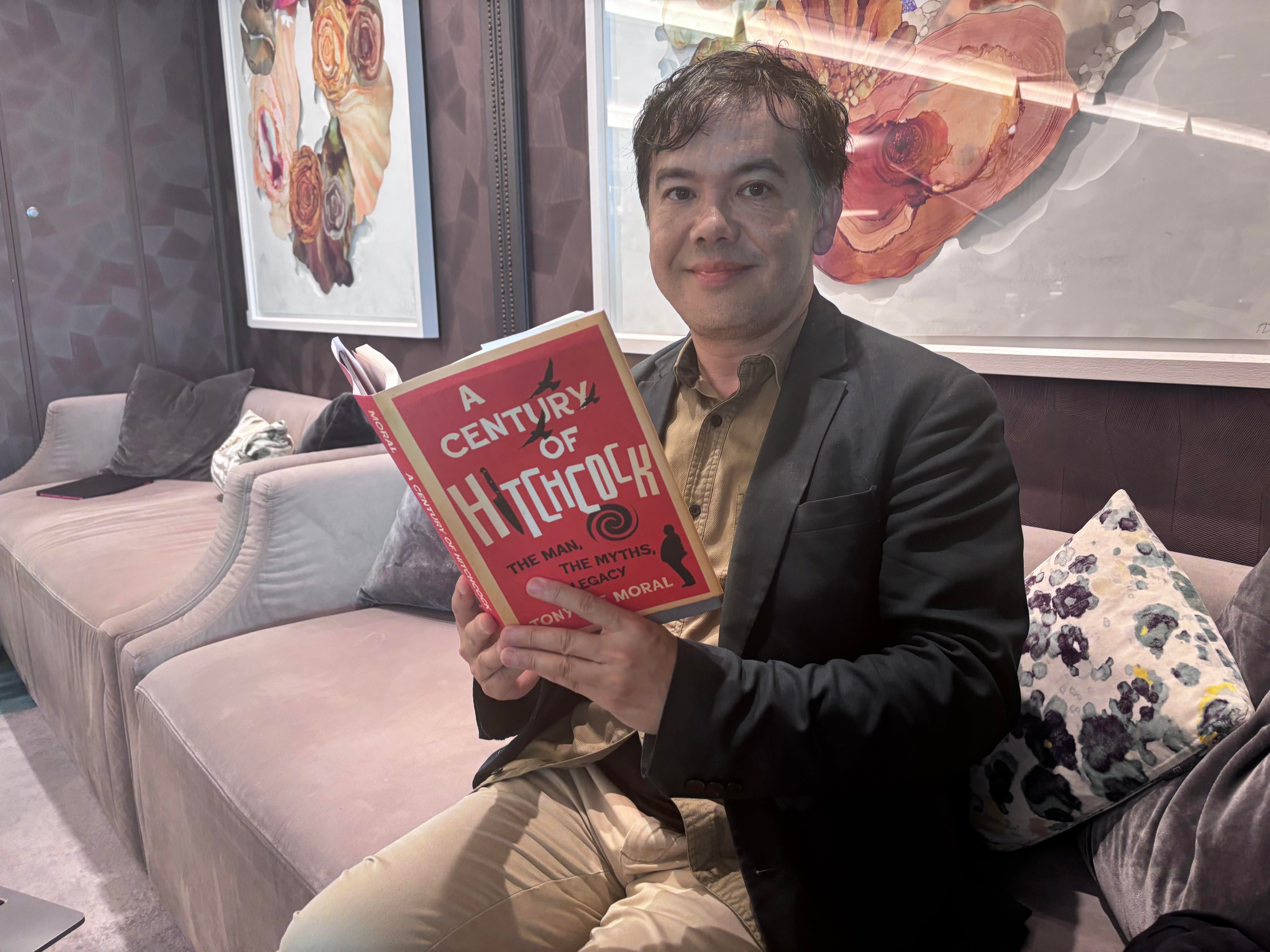
Tony Lee Moral is an author, filmmaker, and film historian whose books include A Century of Hitchcock: The Man, the Myths, the Legacy, The Making of Hitchcock’s The Birds, Hitchcock and the Making of Marnie, The Young Alfred Hitchcock’s Moviemaking Master Class and Alfred Hitchcock Storyboards. For more than twenty-five years, he has researched Alfred Hitchcock’s life and work through archival research and interviews with many of the director’s collaborators, friends and family members. He also works as a television producer and director on documentaries for international broadcasters.
Q: What are you reading right now?
A: I’m usually reading several books at once. At the moment that includes Life on Air: Memoirs of a Broadcaster by David Attenborough to celebrate his centenary, and a number of books on architecture and design, which increasingly interest me because of Hitchcock’s remarkable use of space and visual composition, which continues to influence how I think about cinema.
Q: What is your favorite book to give to people and why?
A: It depends on the person. If they are interested in film, I often give them one of my Hitchcock books. If they enjoy fiction, perhaps one of my novels. Partly that’s because I tend to accumulate complimentary copies, but also because books are deeply personal and it’s rewarding to share something you’ve spent years creating.
Q: What is your favorite film to recommend to people?
A: I have my own top ten favorites, including Tokyo Story by Ozu, and Persona by Bergman. But I find that films like books are very subjective, so I often ask people what their favorite film is first to see if we have common ground.
Q: How did you get into filmmaking?
A: My interest began through a love of the natural world and storytelling. I did my degree in science at university and that led to my first job in documentary production making wildlife programs. I was fortunate to be able to travel the world while continuing my parallel interests in film history and writing.
Q: What drew you to writing about Alfred Hitchcock?
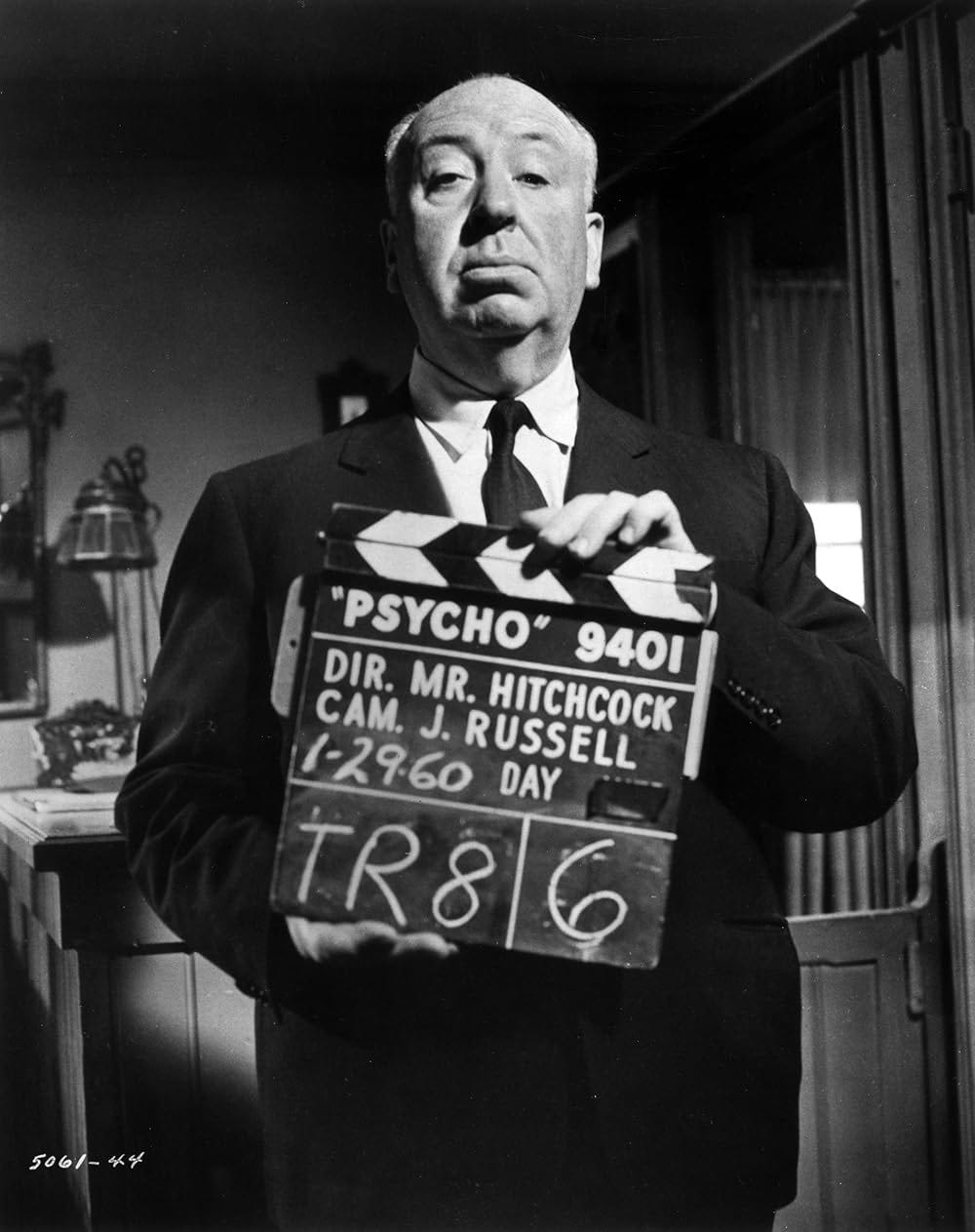
A: Initially it was the films themselves and reading Robin Wood’s tremendous book Hitchcock’s Films. The more I studied Hitchcock, however, the more I realized there was an extraordinary story behind the work. Over the years I became fascinated by the gap between Hitchcock’s public image and the recollections of the people who actually knew him, which ultimately inspired much of my research and writing.
Q: If you could ask Alfred Hitchcock one question, what would it be?
A: I would ask whether he was surprised by how personally audiences and biographers eventually interpreted both his films and his private life. Hitchcock understood psychology better than most filmmakers, but I sometimes wonder whether he anticipated becoming such a subject of psychological analysis himself.
Q: What is the best Hitchcock movie, and why?
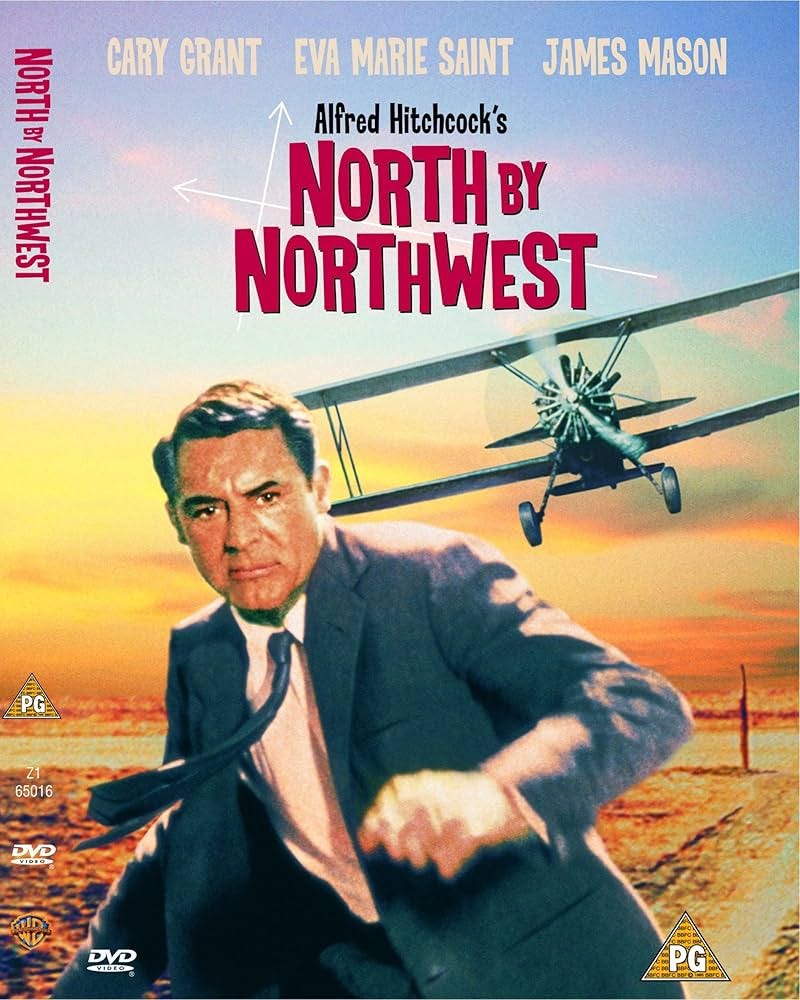
A: If forced to choose one, I would say North by Northwest. It represents Hitchcock at the height of his powers: witty, elegant, suspenseful and visually inventive. It balances thrills, humor and romance with extraordinary craftsmanship, and every viewing reveals new details in the work of Hitchcock and his production designer Robert Boyle.
Q: Who should read your book and why?
A: Anyone interested in Hitchcock, film history, biography or the relationship between myth and historical evidence. The book revisits many assumptions that have shaped Hitchcock’s reputation, how personal grievances influence public narrative, and encourages readers to look again at both the man and his work with fresh eyes.
Q: Anything else you’d like to share?
A: One of the great privileges of researching Hitchcock has been interviewing many of the people who worked alongside him. As those firsthand witnesses disappear, preserving their memories in my latest book A Century of Hitchcock becomes increasingly important. More broadly, I’m interested in how history is constructed, how reputations evolve and how evidence can challenge long-accepted narratives.
Listen to our fascinating interview A Century of Hitchcock to learn more about the life and work of one of the most famous film directors of all time.

Scholarly Sources with Thomas Doherty
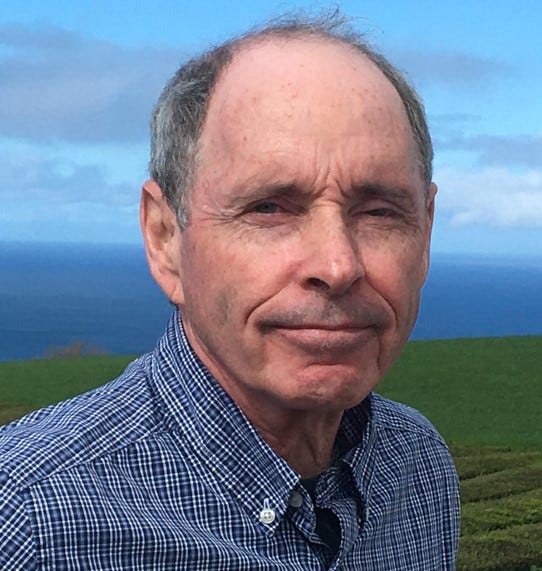
Thomas Doherty is a cultural historian with a special interest in Hollywood cinema. He is a professor of American Studies at Brandeis University.
Q: What are you reading right now?
A: Vincent Sheean’s memoir Personal History, published in 1935. Sheean was the OG version of the dauntless foreign correspondent who risked life and limb covering wars in exotic locales—North Africa, Iran, China. The book was the inspiration for Alfred Hitchcock’s Foreign Correspondent (1940), but by then it had to be updated to speak to the march of events and bore no relation to Sheean’s story.
Q: What is one book and one film you like to assign and why?
A: I have a lot of students who want to enter the motion picture industry, and I always tell them to read William Goldman’s Adventures in the Screen Trade. Even though the motion picture industry has changed radically since the book’s publication in 1983, it still offers illuminating insights into what makes a great screenplay and how to succeed in the business. For aspiring actors, I tell them to watch Michael Caine’s tutorial for the BBC, Acting in Film. It should come as no surprise that Caine is a great teacher.
Q: Is there a book you read as a student that had a particularly profound impact on your trajectory as a scholar?
A: George Orwell’s essays, for the clarity of the thinking and the precision of the prose.
Q: What is an archival documentary? Why was this genre important when it began?
A: An archival documentary stitches together films from the past to make a wholly new film. The filmmaker may not even have to leave the editing room (or the computer with a good software program) to create a new film from the raw material at hand. It’s a parasitic genre, in a sense, feeding off motion pictures from the past. Usually an archival documentary employs an omniscient voiceover narrator (the Voice of God!) or a chorus of talking heads to lead you through the footage. In How Film Became History, I talk about one of the pioneering examples of the genre—Max Eastman and Herbert Axelbank’s Tsar to Lenin (1937) which consists of newsreels chronicling the Bolshevik Revolution. Since its genesis in the 1930s, the archival documentary has become one of the central repositories for our history.

Q: How have archival documentaries impacted how we think about and remember the past?
A: Most of us filter the past through the films we’ve seen documenting it. The best example is the rise and fall of the Third Reich. To think of Nazism is to replay in our minds its motion picture legacy—Hitler ranting from a podium before hundreds of thousands of uniformed acolytes, the book burnings in Berlin in 1933, Neville Chamberlain waving his white piece of paper after selling out Czechoslovakia at Munich, etc.
Q: What do you plan on reading next?
A: Lawrence Bergreen’s Over the Edge of the World: Magellan’s Terrifying Circumnavigation of the Globe. I suppose I should read some fiction but Donna Tartt does not have a new book coming out.
Q: Who should read your book and why?
A: Anyone interested in how film shapes our sense of history—something that started to happen in earnest in the 1930s with the creation of the archival documentary. There are also some largely unknown but very interesting films discussed.
Q: Do you have any film recommendations? Either related to your research or just for fun!
A: Just for fun, three worthwhile films I’ve recently seen at the mall:
Project Hail Mary—kind of like Castaway with an extraterrestrial rock playing Wilson
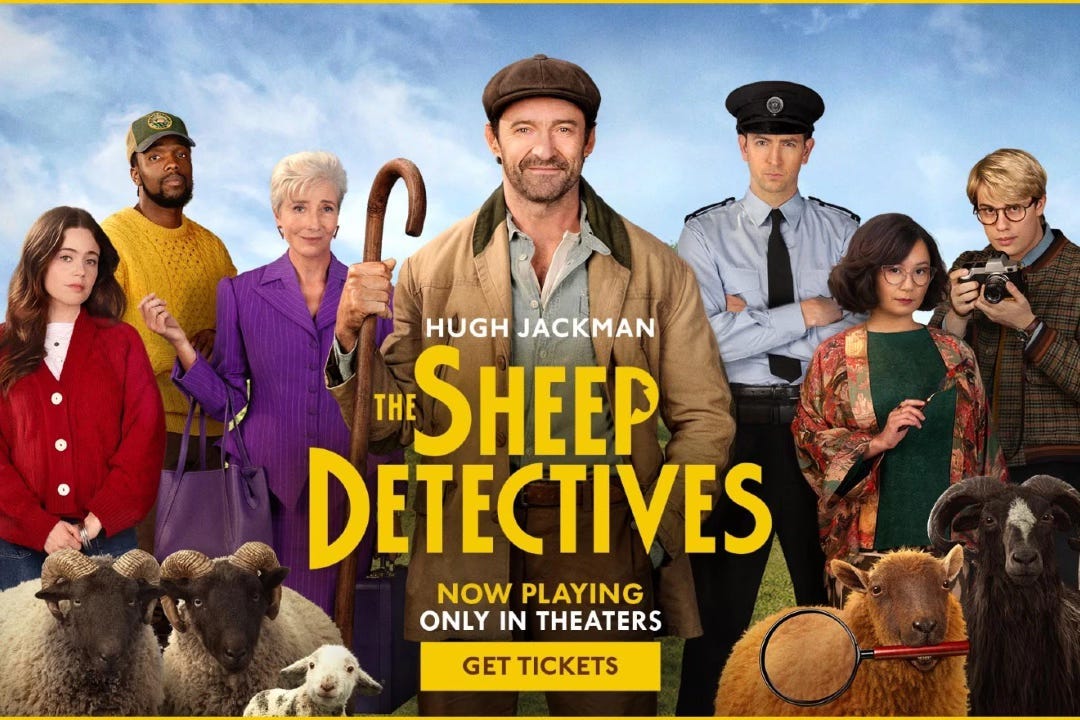
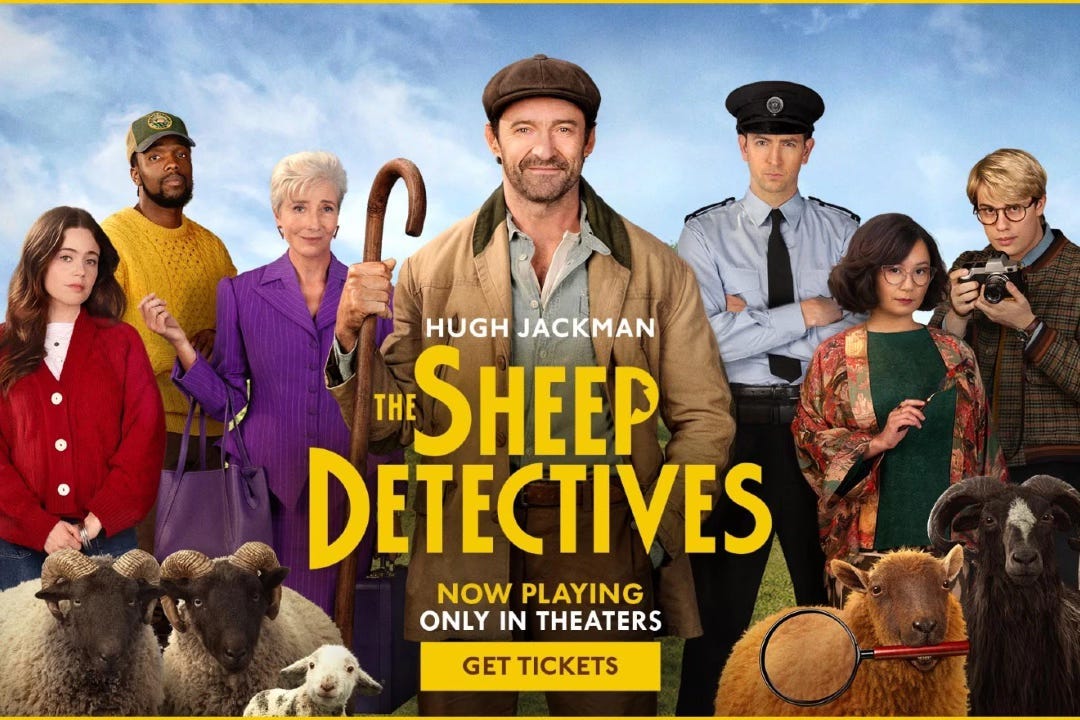
The Sheep Detectives—counter intuitive concept wonderfully executed
Obsession—a disturbing look at Gen Z dating rituals
Q: Anything else you’d like to share? Either about your academic work or creative endeavors?
A: Next up is another 1930s project, only this one is about a different medium—radio, and how it broadcast news of Nazism into American living rooms.
Meet A Host: Alix Beeston
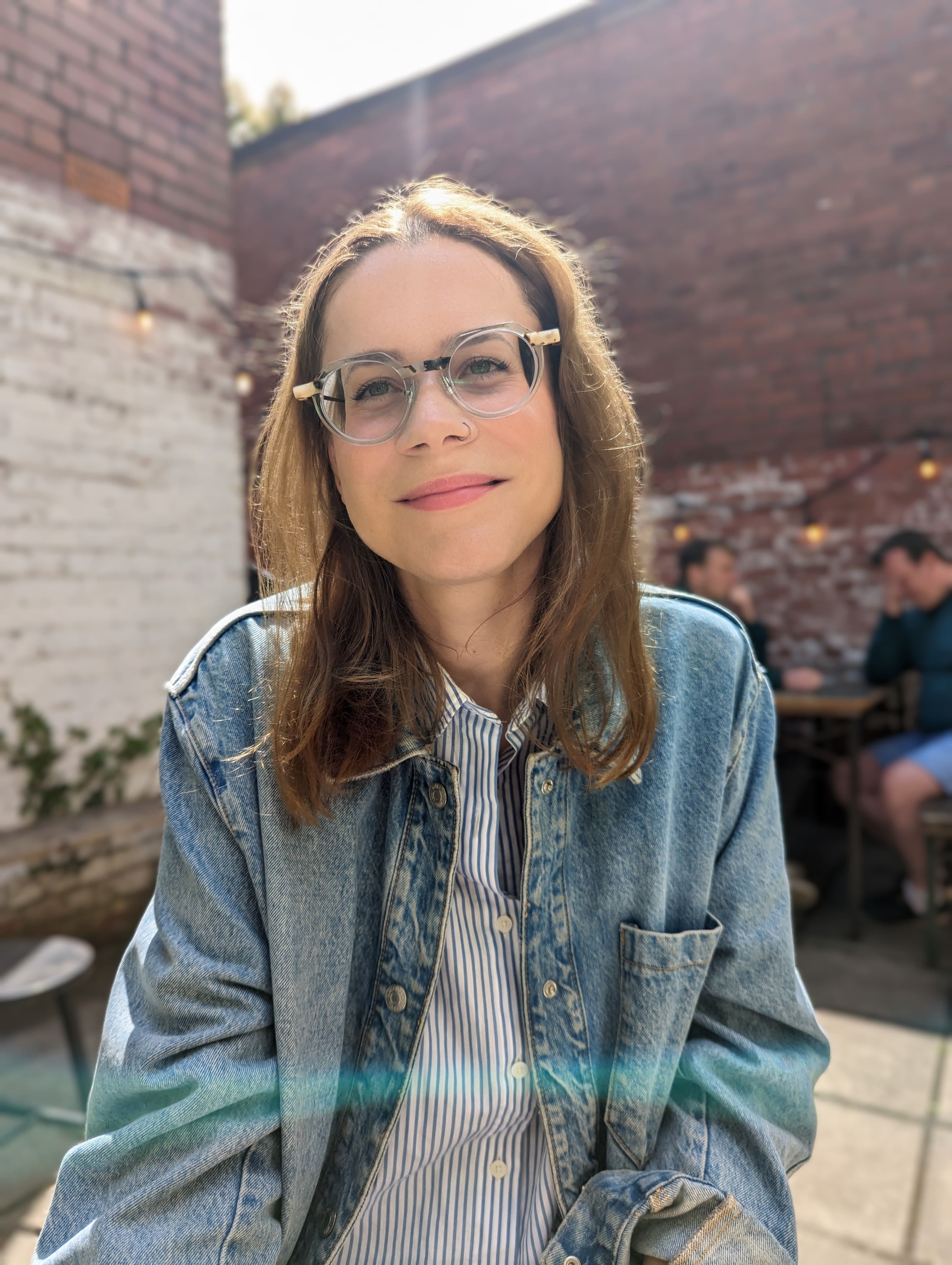
Alix Beeston is Reader in Literature and Visual Culture at Cardiff University, where she researches and teaches modern and contemporary film, photography, and literature. She’s the author of two books: In and Out of Sight: Modernist Writing and the Photographic Unseen and a new critical–creative account of women and girls in photography history, forthcoming next year from Penn State University Press. She’s also the coeditor of the award-winning volume Incomplete: The Feminist Possibilities of the Unfinished Film.
Q: Can you briefly introduce yourself?
A: Sure! I’m an interdisciplinary scholar working across film studies, photography studies, and literary studies. I’m interested in reimagining apparently “negative” phenomena, often from a feminist perspective that seeks to account for the agency and artistry of marginalized or minoritized people. So, for instance, what does it mean to conceive of things like silence or absence as holding some form of power for women? Or equally, what value can we find in incomplete, abandoned, or lost works of film or literature—can these be used to tell more “complete” stories about who has made art and under what conditions?
These questions have inspired the two major projects I’ve been working on over the last few years. The first is a critical—creative book about women and girls in photography history, which I’m putting the final touches on now; it’ll be out next year with Penn State University Press. The second is an ongoing study of women’s unfinished creative works across mediums, which began with Incomplete, a book I coedited in 2023 with my good friend Stefan Solomon.
Q: How did you first hear about the New Books Network?
A: I’d listened to a few NBN episodes before the feminist film scholar and writer Annie Berke kindly invited Stefan and me to talk about our book Incomplete on her channel back in 2023. Stefan and I had such a great time recording that interview. It was incredible to have such an expert and knowledgeable person read our work so carefully and generously. Annie asked insightful questions that made me think differently about a project I thought I knew inside out. And afterwards, lots of nice folks told Stefan and me that they’d listened to the conversation and sought out our book because of it. So that experience inspired me to become a host myself—and to try to live up to Annie’s stellar example.
Q: What do you enjoy most about being an NBN host?
A: There are two main things I like most about hosting on the NBN. The first is the chance to read other people’s work with a view to crafting a conversation about it. I’ve always been interested in what makes a good conversationalist—including being able to ask questions that make other people feel at home. Hosting on the NBN feels like a crash course in the art of the question. In preparing for an interview, I need to think deeply about the claims of a book and how it’s put together and written, but I also need to create a structure that fits the work—a structure that’s hospitable to the work. It’s like building a house for someone else’s project, a place for it to live comfortably for a while. This is quite a different task to, say, writing a book review for a scholarly journal, but one not less intellectual or critical in my view.
The second thing also relates to how an NBN interview differs from more standard forms of engagement with scholarly books. I really like how the NBN gives a space for thinking about questions of method as well as the conditions of intellectual work. These things are essential to published scholarship, but they’re often occluded within it. As a host, rather than making judgments I get to ask questions, including around why a project developed the way it did, which communities were involved in its making, what it felt like or took emotionally to do this work. These are the kinds of questions I always wanted to ask the authors of the books I read, but didn’t often have the chance to. I like using my interviews to pull back the curtain on the processes that produced the work and to situate research and writing alongside and within other forms of scholarly labor, such as teaching or administration.
Q: What episode has been your favorite to record?
A: There haven’t been any eps that I’ve not enjoyed making and they all feel very different to me—so it’s very difficult to pick a fave! But I’ve been excited by a couple of threads that have emerged across them, as if they’re weaving themselves into a larger conversation that sits with my own interests and preoccupations. One of these threads is a fresh approach to “negative” aesthetic figures or categories, as in Mark Goble’s work on slowness in cinema, Sarah Dowling’s survey of reclining figures in literature and visual art, and Suzanne Bost’s case for the value of humility and quietness in humanities research.
Bost’s interview also sits with my channel’s wider investment in research that suspends “scholarly business as usual,” as Karen Redrobe puts it in our conversation about her book Undead. I’ve loved speaking with scholars who are renovating scholarly methods or discovering new registers of scholarly writing—from provocative new approaches to the film-historical archive by emerging scholars Jiří Anger and Aurore Spiers to Jonathan Eburne’s fascinating experiments in reworking his own unfinished or “failed” scholarly essays.
Q: Other than your own, what has been your favorite episode (or channel) to listen to?
A: I like listening to the Novel Dialogue channel, which stages conversations between novelists and scholarly experts. It’s a real treasure trove for novel-readers and writers alike.
Listen to one of Novel Dialogue’s recent episodes here!
Q: If you could record an NBN interview with anyone, who would it be?
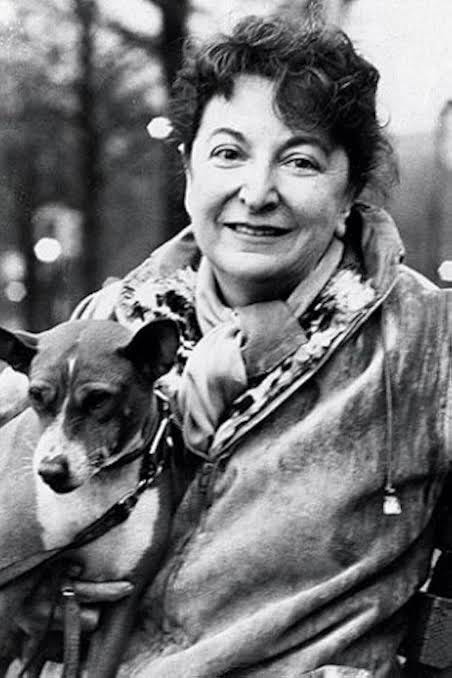
A: I immediately thought of Pauline Kael, the super funny and brutally cutting New Yorker film critic. But that might be my answer for who I’d be most scared to interview (and not only because she’s dead)…
Q: What advice would you give to anyone interested in becoming a host at NBN?
A: Jump on in, the water’s fine! And especially if you’re wanting to learn a lot and try out a different way of engaging intellectually with new work in your fields of interest—less combative, more reciprocal, and, I think, more honest about the practical and emotional realities of scholarly labor.
Q: What is one film that everyone should see?
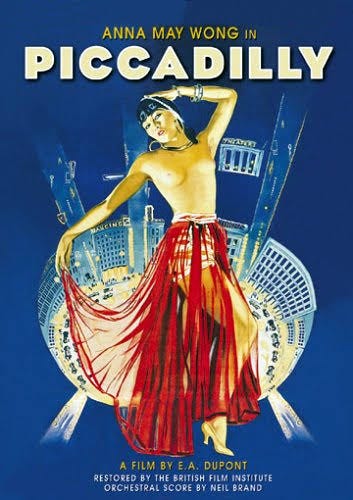
A: I have a terrible memory and forget basically every film I watch, which is something of an occupational problem for a film scholar. But a movie I love to recommend to friends and students is E. A. Dupont’s Piccadilly, a gorgeous and gripping silent drama from 1929 starring one of my favorite actors, Anna May Wong. Either that or Mission Impossible: Fall Out, one of the best action films of all time (starring another of my faves in Tom Cruise, our most balletic and ardently death-wishing action hero).
Q: What is one film you’re looking forward to seeing this year?
A: I’m a sucker for high-concept, too-loud sci fi, so I’m hanging out for the third Dune film.