
To the Moon and Back
Outer space, hypochondria, sound studies, and Substack Live
In this week’s Newsletter:
3 Episodes On: Outer Space
Scholarly Sources with Susannah B. Mintz
Graduate Student Spotlight: Khadeeja Amenda
Substack Live Recap: America and Beyond with Paul Starobin
3 Episodes On: Outer Space
With Artemis II heading back to earth, learn more about outer space in this week’s newsletter!
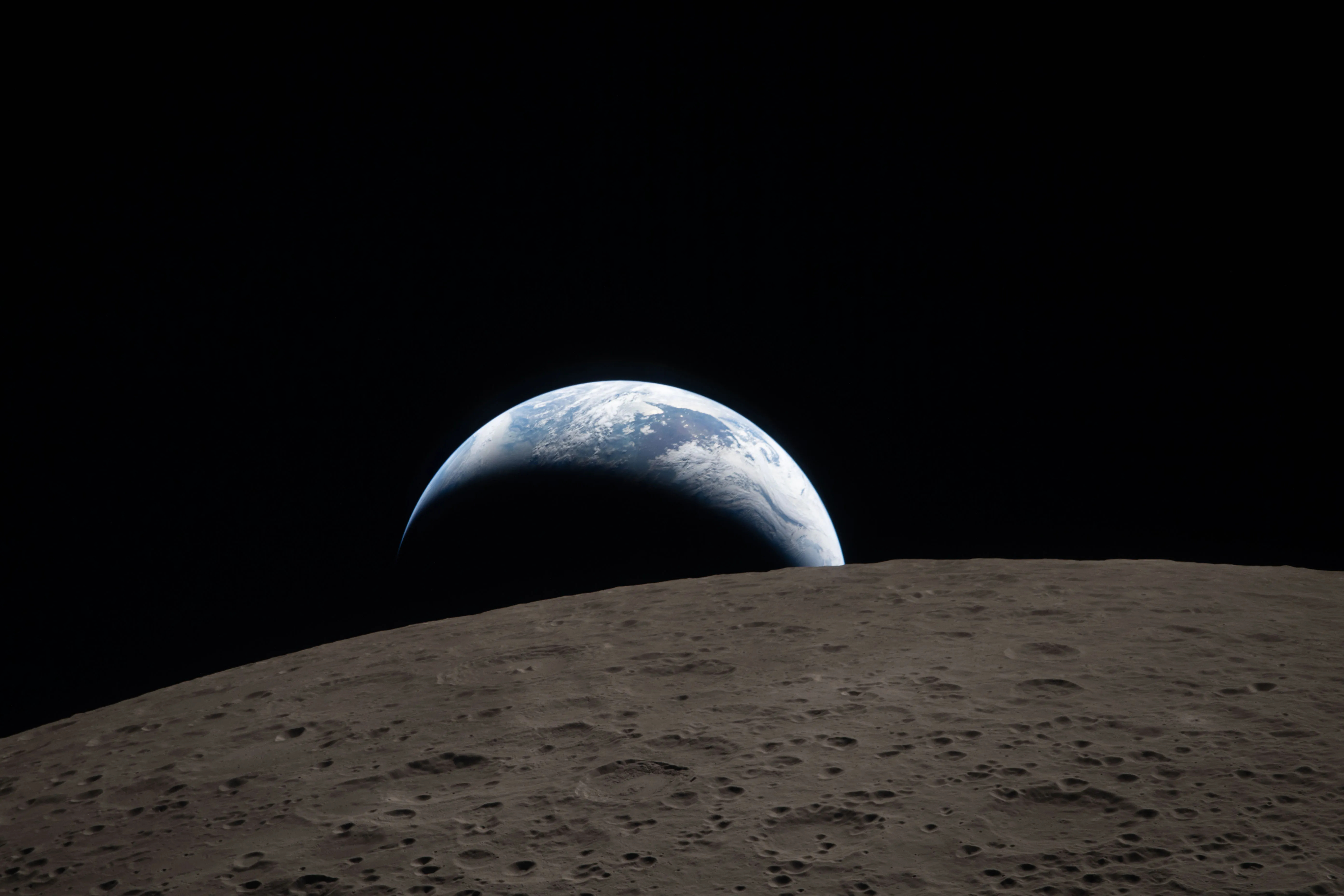
Scientists are uncovering a catalogue of weird phenomena that can’t be explained by our long-established theories of the universe. In Space Oddities: The Mysterious Anomalies Challenging Our Understanding of the Universe, Harry Cliff provides a riveting look at the universe’s most confounding puzzles.
From Aztec sun stones to satellite launches, from muralist visions to dark sky parks, Mexico’s engagement with outer space is fundamental to its identity. Tune in as Anne W. Johnson discusses Mexico in Space: From La Raza Cósmica to the Space Race. She offers a groundbreaking look at how the country has navigated the tensions between technological dependence and sovereign dreams.
In Radio Universe: How to Explore Space Without Leaving Earth, award-winning astrophysicist Emma Chapman takes us on an electrifying voyage through the cosmos using one of the most powerful, yet overlooked, tools in science: the radio wave.
Want to learn about the history of alien communication? Check out our newsletter form last year that includes an interview with historian of science Rebecca Charbonneau!
Scholarly Sources with Susannah B. Mintz
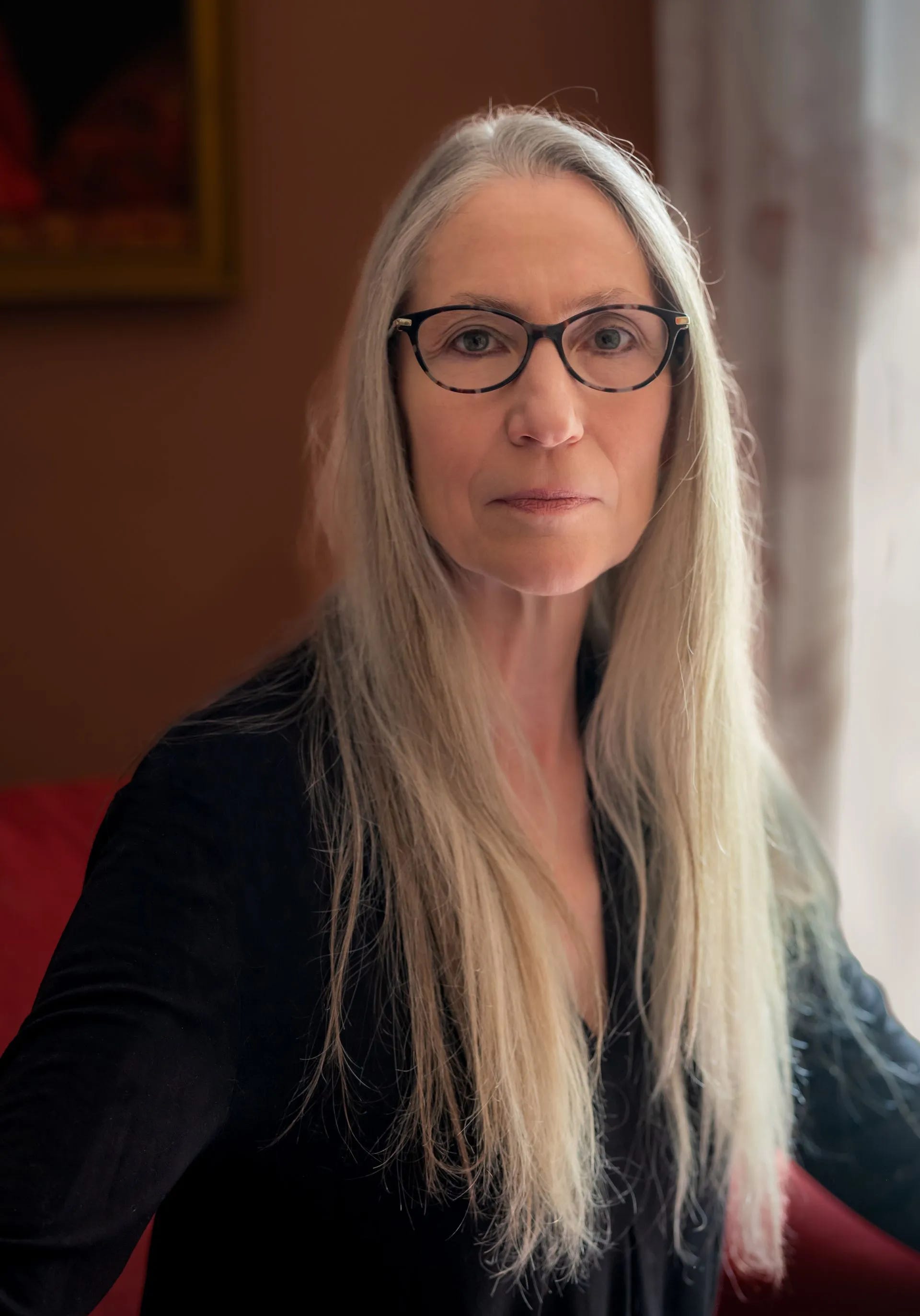
Susannah B. Mintz is Professor of English at Skidmore College in upstate New York. Her most recent books are Hypochondria: In Sickness and In Story and the memoir Love Affair in the Garden of Milton: Poetry, Loss, and the Meaning of Unbelief, which won the 2023 Memoir Book prize for Literature and Grief. Her creative essays have appeared in Adroit Journal, Five Points, Prairie Schooner, Nashville Review, Clackamas, American Literary Review, The Writer’s Chronicle, Epiphany, Ninth Letter, Michigan Quarterly Review, and elsewhere; her work has also received notable mention from Best American Essays and the Pushcart Prize Anthology. A scholar of disability studies, she is the author of several monographs and co-editor of three critical volumes on disability and life writing.
Q: What are you reading right now?
A: Alice Wong’s memoir Year of the Tiger: An Activist’s Life, for an Introduction to Disability Studies class, and a book called Embodied Philosophy in Dance: Gaga and Ohad Naharin’s Movement Research, by Einav Katan, because I’m thinking about the phenomenology of ballroom.
Q: What is your favorite book or essay to assign to students and why?
A: From innumerable possibilities, Annie Dillard’s “Living Like Weasels” comes to mind as the essayist’s ars poetica. It’s a brilliantly structured piece that enacts what it offers: how we might manifest the wild commitment of the weasel, grabbing hold of what it needs to live. That fierce, passionate determination to be what one is. I begin writing workshops with this essay because it demonstrates an attitude toward experience as well as precision in craft.
Q: Is there a book you read as a student that had a particularly profound impact on your trajectory as a scholar?
A: Paradise Lost. As a poetry-writing undergrad I would not have anticipated dedicating so much of my scholarly life to John Milton, and it was several years before I decided to specialize in seventeenth-century British lit in my PhD program. But the memory of having appreciated the epic in college informed my later decision, and I can’t think of another writer whose material has so thoroughly penetrated my attitudes about aspects of life that have little to do with literature or teaching.

Q: Which writer would you most like to meet and why?
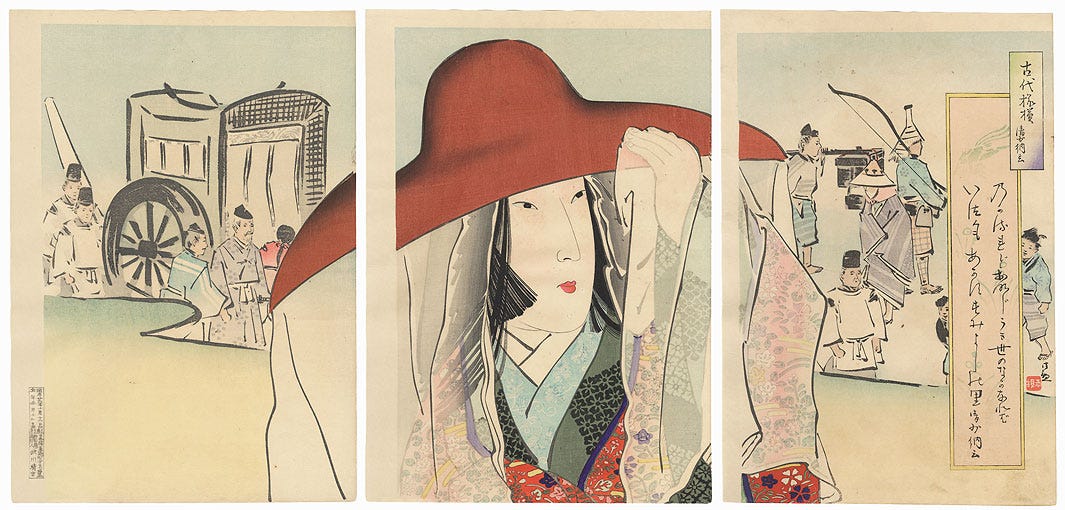
A: Betraying my metaphysical roots, I’ve always thought John Donne would be rollicking good fun over a meal. Or Sei Shōnagon: she was a Japanese writer and courtier whose Pillow Book, around the year 1,000, is a masterwork of sly, ironic commentary on manners, romance, politics, feminism, and the rituals of daily life. I’d love to test how correct a modern sense of her really is.
Q: What’s the best book you’ve read in the past year?
A: I had Hanya Yanagihara’s A Little Life with me in Prague last winter. As a friend said to me of this 816-page tome, “that book wrecked me.” It’s an exquisitely painful, gorgeous novel. I marveled at the author’s capacity for such delicately taut sentences even as she describes the most intense forms of human sadness, betrayal, pain, longing, and generosity. That tension between containment at the sentence level and the raw messiness of human intimacy—to say nothing of plot or psychological complexity—is quite extraordinary.
Q: What do you plan on reading next?
A: Tayari Jones’s Kin is on my list. I loved An American Marriage.
Q: Who should read your book Hypochondria: In Sickness and in Story, and why?
A: I explain in the introduction of the book that I read hypochondria not as a psychiatric disorder but as a “mode”—of communicating, of relating to ourselves and to others, of thinking about the kinds of communities we want to live in and the citizens we want to be, of aging into our own mortality. I treat it with respect not so much because it can cause great suffering (though of course it can) but because it has something to teach us about our attitudes toward knowledge and authority, caretaking and interdependence. In these ways, the book can be for anyone—the worriers and the impatient, layfolk and practitioners, young and old.
Q: Anything else you’d like to share? Either about your academic work or creative endeavors?
A: I started ballroom dancing just under a year ago, and I’m working on a memoir of that process as a metaphor for … everything.
Listen to Susannah’s fascinating interview about Hypochondria: In Sickness and in Story

Graduate Student Spotlight: Khadeeja Amenda
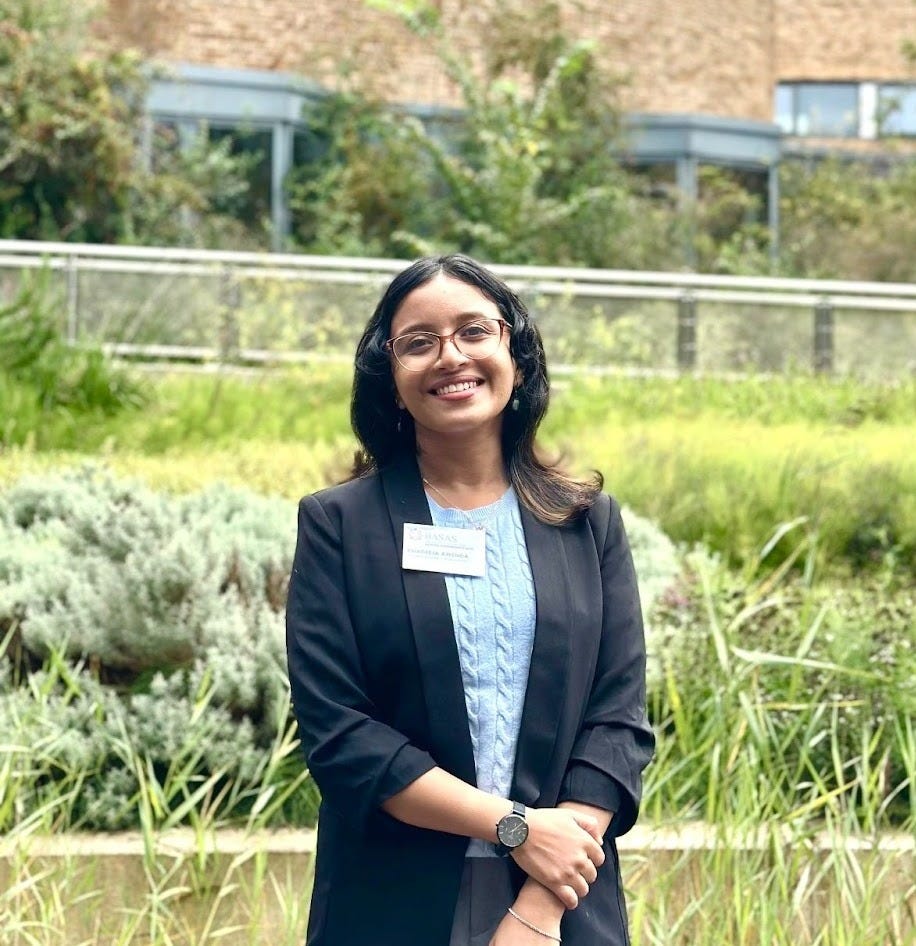
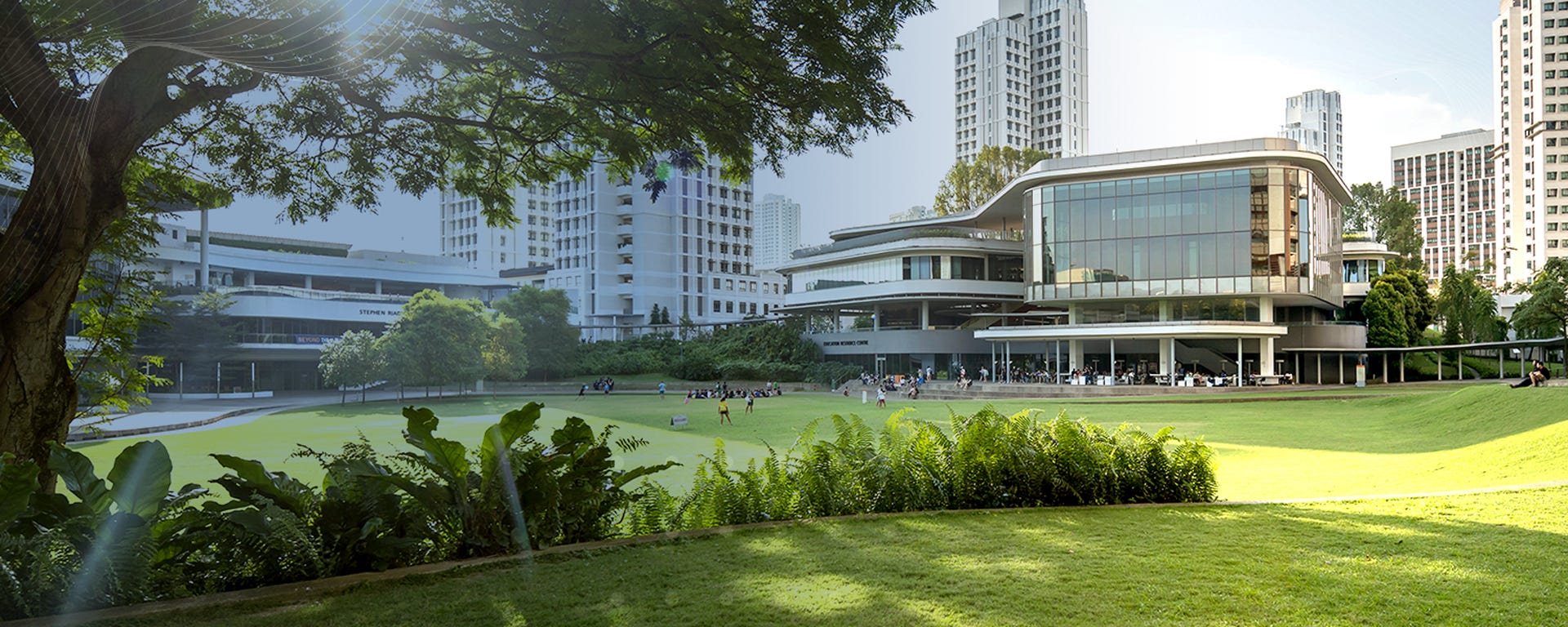
My name is Khadeeja Amenda. I am a doctoral candidate in the Department of Communication and New Media at the National University of Singapore, currently in my final year of the programme. I have completed my dissertation and am awaiting the PhD defense. I also hold a Master of Philosophy in Media Studies from Jawaharlal Nehru University and a Master of Arts in Communication Studies from the University of Hyderabad, India.
Q: Can you share a bit about your academic interests? What led you to your research topic?
A: I am a communication and media studies scholar working at the intersection of sound studies and sensory studies. My doctoral dissertation explores the stories of left-behind communities in Hyderabad, the capital city of the southern Indian state of Telangana. It examines the precarities of urban life among marginalised communities through practices of listening, sound, and related sensory experiences.
There are two key experiences that led me to this research topic. I am originally from Kerala, another southern Indian state, and I moved to Hyderabad for my higher studies and later for employment. I completed my schooling in Kerala under the public state education system, where the Hyderabad I encountered in my textbooks was very different from the everyday realities described to me by people living in the city. There appeared to be a history of systematic erasure that remained largely unacknowledged in dominant historical narratives in India. I was drawn to begin from these unsaid and deliberately forgotten lifeworlds of the people.

The second turning point came during my time in the university dorms at Jawaharlal Nehru University in New Delhi, where I shared a room with my friend Vennila, who is blind. Living with her made me more aware of the ableist assumptions that had shaped my own understanding of the world. It was through our everyday life together that I began to engage with ways of knowing beyond the visual, and to recognise the biases embedded within them. Around the same time, I came accidentally across Jonathan Sterne’s Sound Studies: A Reader in the STEM section of the university library, and that moment marked the beginning of this journey. I feel like my PhD journey is a culmination of these two life strands.
If you are interested to know more about Hyderabad, I would suggest reading this: The Destruction of Hyderabad by A.G Noorani.
Q: Why did you decide to go to graduate school?
A: I want to answer this question as honestly as possible. Unlike many other graduate spotlights I referred to before answering, who had a clear vision of placing themselves in academia, my entry was absolutely accidental. I have always wanted a stable career, either in the government or the corporate sector. But life took me to graduate school. You also realise that, in a South Asian household, studying can become the only way to avoid early marriage. I do not belong to a generation that readily accepts working after completing one’s education. So, in some ways, I continued studying to delay that expectation. That said, I have always wanted to write, to listen to people, and to bring them “justice,” which is why I chose journalism. But eventually you realise that you cannot bring justice as simply as that. You begin to understand the difference between activism and the real world complexities you have to navigate. I came to this realisation after being part of the Rohith Vemula movement in 2016, in my early 20s. Alongside this, I realised that if I became a journalist, there would be limited scope to engage with issues beyond their surface. Everything has multiple layers, every issue, every person, every material object. I realised that a PhD offered that possibility for me. I love listening to people, and I ended up researching listening itself.
Q: What have you found rewarding about graduate school so far?
A: Being in graduate school itself is a privilege that I will always cherish. It was a huge shift for me from how I used to do research in India. The access to resources from libraries to study spaces was life changing. I am also privileged to have a supportive research advisory committee and an amazing cohort.
Along with these, the first thing I found truly rewarding in graduate school is teaching. I was both excited and nervous about getting into teaching, but it opened up a whole new world of understanding. Being an educator in a time of rapidly evolving AI simulations is an entirely new experience.
Another deeply rewarding experience was fieldwork. You are never the owner of your time while doing fieldwork, and that was the kind of reset I needed in a world where we are constantly pushed to chase productivity, especially in the consumerist context we live in. I want to look at my fieldwork beyond the obvious challenges of doing historical ethnography in a place I am not native to. I have nothing but gratitude for Hyderabad and its people for opening their hearts and homes to me.
The next important aspect was the courses I took. NUS, as a prestigious institution located in Asia, offers courses that challenge ways of thinking beyond the dominant frameworks of Europe and North America. Instead of treating spaces in the Global South as sites where theories from the Global North are merely applied, we explored what it means to think and theorise from the Global South, especially from Asia. These graduate courses pushed me to move beyond what is often seen as canonical writing. This is especially important in contemporary times, as the need for Global South solidarity becomes even more urgent.
I think that while doing a PhD, we sometimes rush to check off milestones, from qualifying examinations to completing the dissertation. But in that journey, there are equally important moments, like coursework. I personally feel grateful that I experienced coursework before the discourse on AI became so pervasive. Now, when I look back, I realise I may never again have the chance to read a full book every week and discuss it with people who share the same interests.
Q: Are there any books, papers, or other media that have been influential in your evolution as a scholar?
A: Yes, of course!
The primary one is Distinction: A Social Critique of the Judgement of Taste by Pierre Bourdieu. It answered many of the questions that had remained unanswered for me, both as an individual and as a researcher.
A few others are Aniket Jaaware: Practicing Caste: On Touching and Not Touching, Saba Mahmood: Politics of Piety : The Islamic Revival and the Feminist Subject, and Syed Hussein Alatas: The Myth of the Lazy Native: A Study of the Image of the Malays, Filipinos and Javanese from the 16th to the 20th Century and Its Function in the Ideology of Colonial Capitalism
Q: Is there anything that has been challenging for you about graduate school that you want to share with readers?
A: My challenges could be more relatable to international students, especially those from the Global South, because you may take some time to understand how the system works, especially with academic gatekeeping. Also, you may not have a support system that understands the kind of work you do, especially if you are a first-generation scholar. But eventually, you will get there.

Q: Is there any advice you would like to give to graduate students who are just starting out?
A: Everyone’s PhD journey is different. You will be compelled to compare, but you should try not to, even if it is difficult. I was privileged to have a supportive ecosystem in the form of my PhD advisor and research advisory committee, and that made a real difference.
I would say it is important to think about the long term when choosing a graduate school, including funding support. It also helps to talk with colleagues and understand the important nitty-gritty that go beyond the graduate handbook. I had extraordinary support from my grad school friends. From coffee runs to reading first drafts, they made a huge difference. My only regret is that I did not celebrate the small milestones enough, as I was always focused and worried about reaching the end of the tunnel.
Q: You’re also an NBN host! How have you found hosting valuable as a graduate student?
A: On a lighter note, I was once selected for the finals of an RJ opportunity but did not make it, and that is why I started with NBN! When I became familiar with the nuances of publishing, I realised that not many people can easily access or understand academic research. It should go beyond a paywall, and that is why efforts like NBN are important.
I also found it very interesting to see a book in printed text format transform into the sonic medium of a podcast. As a sound studies scholar, I wanted to engage with sound beyond just writing about it, as I often find it limiting to write about sound. Listening allows a different kind of engagement. While reading a book, we are sometimes lost in its intent, but it is truly wonderful to understand the thought process behind its making.
Check out Khadeeja’s host profile here!
Q: Are there any New Books Network interviews that you have listened to and really enjoyed?
A: Yes, there are quite a few! My current favourite is Recall This Book. Some of my favourite hosts are Sneha Annavarappu, Ahmed Almaazmi, and SherAli Tareen.
Q: Anything else that you want to share with our readers?
A: I hope we all get to read more books and listen to more conversations about them.
Substack Live: America and Beyond
Yesterday, Caleb Zakarin spoke with journalist Paul Starobin about his podcast and Substack, America and Beyond. Follow, subscribe, and watch the recap below.
